🍵 What Makes Japanese Cups Special
At first glance, a cup seems like a small, unremarkable object, yet in Japan it carries the same quiet intention found in every piece of tableware. Japanese cups, whether is tea cup, sake cup, or coffee cup, are shaped around how they are meant to be held and used, not just how they look on a shelf.
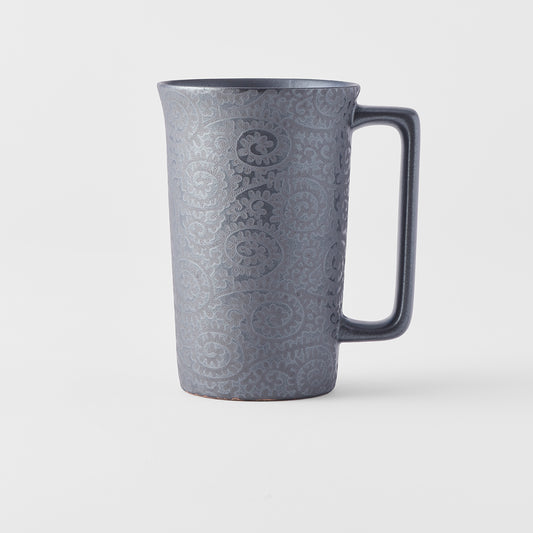
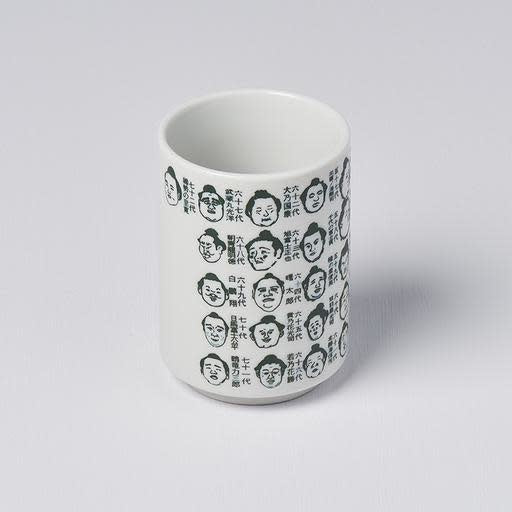
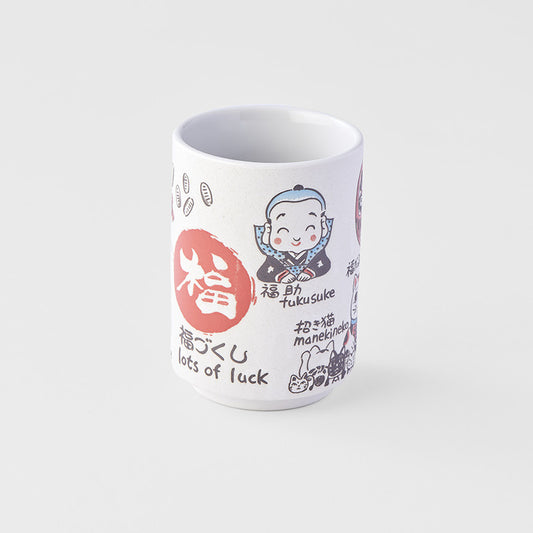
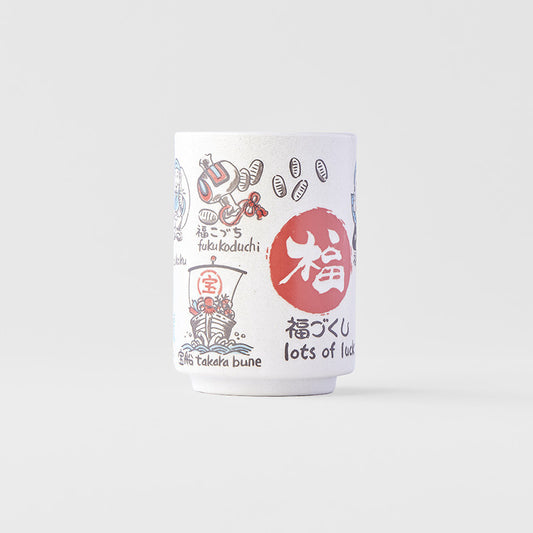
A tea cup, or yunomi, is typically taller and narrower than a Western mug, designed to be cradled in both hands and to keep tea warm for longer. A sake cup, by contrast, is small and shallow, meant to be sipped slowly and refilled often, part of the ritual of sharing sake at the table. Even a simple coffee cup, when made in the Japanese tradition, tends to favour a slightly heavier base and a considered glaze over a purely decorative pattern.
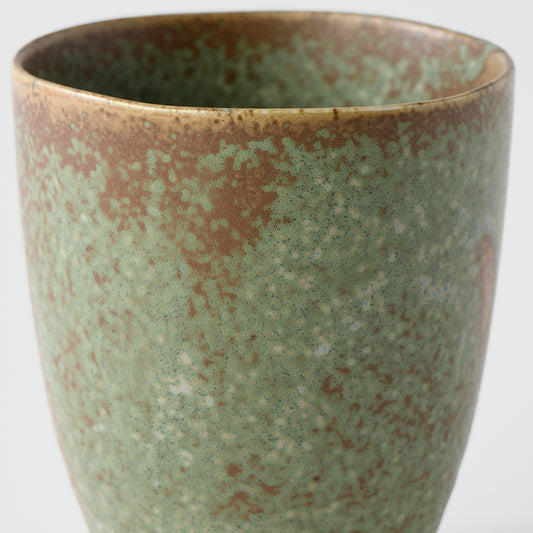
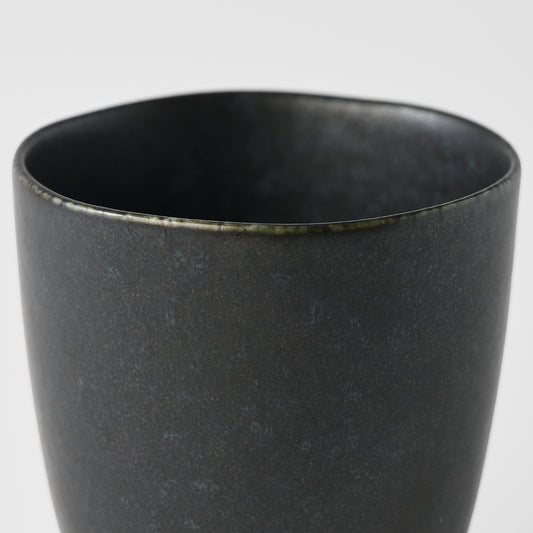
Handmade Japanese cups take this further still. Thrown, glazed, and fired individually, each cup carries small variations in shape, thickness, or colour that make it distinct from the next. Many collectors deliberately choose mismatched cups, known as mekura-tsuki pairing, where each guest at the table drinks from a different, uniquely shaped cup rather than an identical set. It's a small detail that reflects a much larger idea in Japanese design: character and imperfection are part of the beauty, not something to be corrected.
This is what makes Japanese cups worth paying attention to. They are functional, personal, and often surprisingly sculptural for something so small.

Discover our Mugs & Cups collection →
📜 History & Regional Styles Across Japan
Cups have played a role in Japanese daily life for centuries, closely tied to the rise of tea culture. As tea drinking spread from Buddhist monasteries into wider society from around the 12th century onward, dedicated tea cups evolved alongside it, moving away from shared vessels toward individual cups suited to quiet, personal use.
Sake culture developed its own parallel tradition. Small sake cups, known as choko or ochoko, became closely linked to hospitality and celebration, often exchanged between guests as a gesture of goodwill during a meal.
As with bowls, Japan's cup-making traditions vary significantly by region, shaped by local clay and generations of craftsmanship.
Hagi ware (Yamaguchi Prefecture) is especially prized for tea cups, known for a soft, porous clay and pale, crackled glazes that subtly change colour with use over the years, a quality tea drinkers often collect and admire.
Mino ware (Gifu Prefecture), the same region behind much of Japan's everyday tableware, also produces a huge range of cups, from simple glazed mugs to more decorative tea cups, prized for its variety rather than one signature style.
Bizen ware (Okayama Prefecture) takes an entirely different approach, left completely unglazed and fired for extended periods, resulting in earthy, reddish-brown tones and a distinctive rustic texture that's particularly popular for sake cups.
These regional differences are part of why one handmade tea cup can look entirely different from the next, even when both are unmistakably Japanese in character.
🍶 Types of Japanese Cups
Japanese cups come in a wide range of styles, each suited to a different drink or occasion.
| Cup Type | Best For |
|---|---|
| Tea Cups | Green tea, everyday tea drinking |
| Sake Cups | Sake, small pours, shared drinking |
| Coffee Cups | Everyday coffee, casual use |
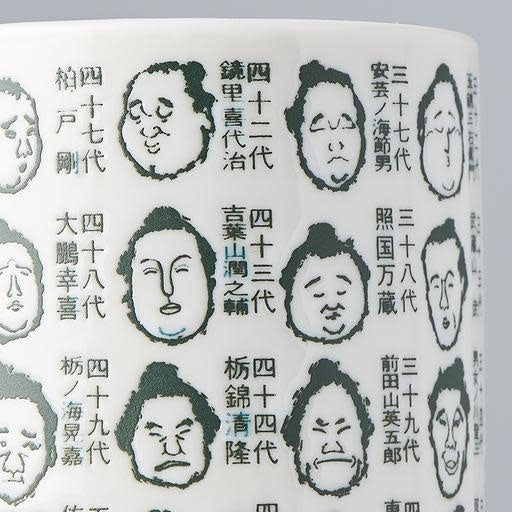
| Sushi Train Mugs | Casual dining, restaurant style tea service |
| Glassware | Cold drinks, iced tea, cocktails |
| Lopsided Cups | Statement pieces, asymmetric handmade style |
Tea cups are usually the tallest and narrowest of the group, built to hold heat and to be comfortably cupped in both hands. Sake cups sit at the opposite extreme, small and shallow, designed for frequent refilling rather than a single large serving. Sushi train mugs, a familiar sight in casual Japanese restaurants, are simple, sturdy, and stackable, built for durability over delicacy.
Lopsided cups deserve a special mention. Rather than a strict category, this refers to an intentionally asymmetric handmade style, where the rim, walls, or base are left deliberately uneven. It's a look that celebrates the handmade process itself, and has become popular with collectors who want a cup that feels one of a kind rather than mass produced.

🎨 Materials: Ceramic & Glass
The material of a cup influences both its appearance and the drinking experience. Japanese cups are prized for their craftsmanship, comfortable feel, and beautiful finishes, making even everyday tea or coffee feel a little more special.
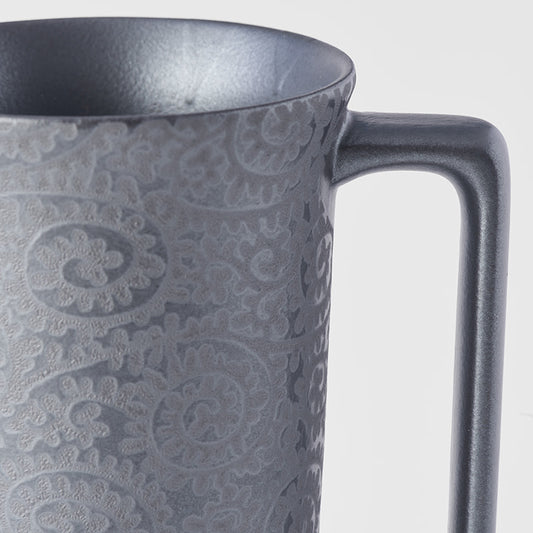
Ceramic cups are the most popular choice for everyday use. They retain warmth well, feel comfortable to hold, and come in a wide variety of glazes, colours and hand-finished designs. From traditional tea cups to modern coffee mugs, ceramic remains a timeless part of Japanese tableware.
Glass cups offer a lighter, contemporary alternative. They're perfect for iced tea, cold brew coffee and other refreshing drinks, allowing the colour and clarity of the beverage to take centre stage while adding an elegant touch to the table.
☕ How to Use Each Cup Type
Knowing what each cup is designed for makes it easier to choose the right one for the moment.
Tea cups are meant to be held in both hands, allowing you to feel the warmth of the tea and slow down while drinking, rather than rushing through a hot drink.
Sake cups are designed for small, frequent pours rather than one large serving, part of the social rhythm of sharing a bottle of sake at the table.
Coffee cups in the Japanese style tend to favour a slightly heavier build, suited to being held through a longer, unhurried cup of coffee.
Sushi train mugs are built for practicality, often used for everyday green tea in casual dining settings, sturdy enough for repeated use.
Glassware works well chilled, ideal for iced tea, iced coffee, or simply serving cold water at the table.
Choosing the right cup for the right drink is a small change that makes each drink feel more intentional.
🙏 Cup & Tea Etiquette in Japan
Cups play an important role in Japanese hospitality, and a few simple customs are worth knowing, whether you're serving tea, pouring sake, or just want to bring some authenticity to your table.
Hold your tea cup with both hands. Cupping a tea cup with both hands, rather than one, is considered a polite and appreciative way to drink, especially when tea has been served to you by someone else.
Never pour your own sake. Traditionally, it's considered polite to pour sake for others at the table and let them pour for you in return, rather than filling your own cup.
Accept a poured drink with both hands. When someone pours tea or sake for you, it's polite to hold your cup with both hands as a small gesture of thanks.
Refill often, in small amounts. Because sake cups are small, frequent, attentive refilling is part of the ritual, rather than pouring one large serving and leaving it.
Set cups down gently. As with bowls, placing a cup down with care rather than setting it down heavily is a small but noticed courtesy.
These customs are simple, but they turn something as small as a shared drink into a moment of genuine hospitality.
🫖 Essential Accessories & Pairings
A great cup rarely stands alone. A few simple pairings round out the experience, whether you're serving tea, sake, or coffee.
Teapots
The natural pairing for any tea cup, allowing tea to steep properly before being poured into individual cups.
Discover our Teapots →
Tea sets
A matched or curated collection of teapot and cups makes serving tea to guests simple and elegant, particularly for entertaining.
Tea Sets →
Sake jugs (tokkuri)
Designed to hold and pour sake in small amounts, a sake jug and a set of cups are traditionally sold and used together.
Sake Jugs →
Trays
Particularly useful when serving several cups at once, keeping a tea or sake service tidy and easy to carry to the table.
Trays →
Building out these accessories over time is often what turns a simple cup collection into a complete tea or sake serving setup.

🧭 How to Choose the Right Cups for Your Kitchen
With so many shapes, materials, and occasions to consider, building a cup collection is easier when you start with a few simple questions.
Start with the basics. Every kitchen benefits from a small core set: a few everyday tea cups, one or two coffee cups, and a small set of sake cups for entertaining.
Think about how you drink. If tea is a daily ritual, prioritise a well made tea cup that feels good to hold. If you entertain often, a sake cup set is worth adding early.
Mix materials intentionally. Pairing everyday stoneware cups with one or two porcelain or glass pieces adds variety without overcomplicating daily use.
Let handmade pieces stand out. Because no two handmade cups are ever quite identical, mismatched sets work particularly well here, choose a few standout pieces rather than trying to make everything uniform.
Our top picks for a starter collection:
- A well made everyday tea cup for daily use
- A small set of sake cups for entertaining
- One coffee cup with a bit more weight and character
- A handmade or lopsided cup as a statement piece
Building a collection gradually, rather than buying an entire matched set at once, often leads to a more personal and considered result.
Shop Mugs & Cups →
🧼 Cup Care & Storage Tips
Looking after Japanese cups properly helps preserve both their appearance and their longevity, particularly for handmade or glazed pieces.
Washing. Most ceramic and porcelain cups can be washed by hand or in the dishwasher, though hand washing is recommended for delicate hand painted or unglazed pieces such as Bizen ware.
Avoid sudden temperature changes. Moving a cup straight from the freezer to boiling liquid, or vice versa, can cause cracking. Let cups adjust to room temperature where possible.
Handle unglazed cups with extra care. Unglazed stoneware, such as Bizen ware, is more porous and can absorb stains from strong drinks like coffee or tea if not cleaned promptly.
Storage. Keep cups in a dry cupboard away from direct sunlight, which can dull glazes over time. Storing cups upright, rather than stacked, helps prevent chips along the rim.
With a little care, quality Japanese cups can last for decades, often developing more character and colour with age.
❓ Cups FAQs
What is the difference between a tea cup and a sake cup?
Tea cups are taller and narrower, designed to retain heat and be held in both hands. Sake cups are much smaller and shallower, meant for frequent small pours rather than one large serving.
Are Japanese cups dishwasher safe?
Most ceramic and porcelain cups are dishwasher safe, though delicate hand painted, cracle glaze or unglazed pieces are best hand washed to protect the finish.
What size cup should I buy for everyday tea?
A standard tea cup, larger than a sake cup but smaller than a Western mug, is the most versatile choice for everyday tea drinking.
What makes handmade Japanese cups different from mass produced ones?
Handmade cups are individually thrown and glazed, meaning slight variations in shape, colour, and weight are normal and part of their character, rather than a flaw.
Why do some Japanese cups look uneven or asymmetric?
This lopsided style is an intentional handmade design choice, celebrating the natural imperfections of hand thrown pottery rather than aiming for a perfectly uniform shape.
What material is best for everyday Japanese cups?
Ceramic or stoneware is the most practical choice for daily use, offering good heat retention and durability, while porcelain suits more delicate or formal settings.