🥣 What Makes Japanese Bowls Special
A bowl might seem like the simplest item in any kitchen, but in Japan, it is treated as something far more considered. Japanese bowls, known broadly as chawan (茶碗) when referring to rice bowls, or donburi (丼) for larger serving bowls, are shaped, sized, and finished with a level of intention that is easy to overlook until you actually use one.
Unlike the mass produced, one size fits all bowls found in many Western kitchens, Japanese bowls are designed around function first. A ramen bowl is deep and wide to hold broth and noodles without losing heat too quickly. A rice bowl is small enough to be lifted comfortably in one hand, a habit rooted in how rice is eaten in Japan, straight from the bowl, held close to the mouth. Even the curve of the rim is considered, shaped to sit naturally against the lips.
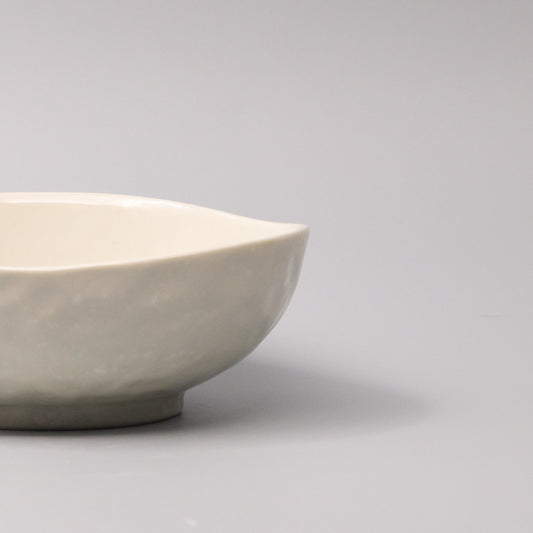
Handmade Japanese bowls take this a step further. Each piece is thrown, glazed, and fired by hand, meaning no two bowls are ever completely identical. Small variations in glaze, weight, or shape are not flaws, they are part of what makes handmade ceramics feel personal rather than uniform. For many households, building a collection of Japanese bowls over time becomes less about matching sets and more about curating pieces with character.
This is really what sets Japanese bowls apart: they are practical, beautifully made, and deeply tied to how food is meant to be eaten and enjoyed.

📜 History & Regional Styles Across Japan
Bowls have been part of Japanese dining for well over a thousand years, evolving alongside the country's cuisine, ceramics, and tea culture. Early bowls were simple and utilitarian, made from wood or unglazed clay, but by the Heian period (794 to 1185), ceramic bowls had become closely tied to ritual, hospitality, and the emerging tea ceremony. As Japanese cuisine grew more refined, so did the bowls used to serve it, with shape, glaze, and size becoming just as important as the food itself.
Japan's bowl-making traditions are deeply regional, with different areas developing distinct styles shaped by local clay, climate, and generations of craftsmanship.
Mino ware (Gifu Prefecture) is Japan's largest ceramics producing region, responsible for a significant share of the everyday tableware used across the country. Mino is known less for a single signature look and more for its sheer variety, encompassing several distinct glazing styles under one regional umbrella.
Arita ware (Saga Prefecture) is celebrated for fine, brilliant white porcelain, often decorated with detailed blue or multicoloured designs. Arita is considered the birthplace of Japanese porcelain, and its bowls are prized for their delicate, refined appearance.
Mashiko ware (Tochigi Prefecture) takes the opposite approach, favouring rustic, earthy glazes in warm browns, blacks, and creams. Mashiko bowls have a heavier, more textured feel, popular for everyday dining and casual serving.
Understanding these regional styles helps explain why two handmade bowls can look so different from one another, even when both are unmistakably Japanese.
🍜 Types of Japanese Bowls
With so many bowl styles available, it helps to know what each one is actually designed for. Japanese kitchens typically include several different bowl types, each suited to a specific dish or purpose.
| Bowl Type | Best For |
|---|---|
| Small Bowls | Sauces, condiments, small side dishes |
| Medium Bowls | Soups, light meals, everyday use |
| Large Bowls | Family style servings, bigger portions |
| Ramen Bowls | Noodle soups, holding broth and heat |
| Serving Bowls | Sharing dishes at the table |
| Rice Bowls | Steamed rice, held in one hand while eating |
| Pasta Bowls | Noodles, pasta, saucy dishes |
| Salad Bowls | Fresh salads, cold dishes |
| Udon Bowls | Thick noodle soups, similar to ramen but often wider |
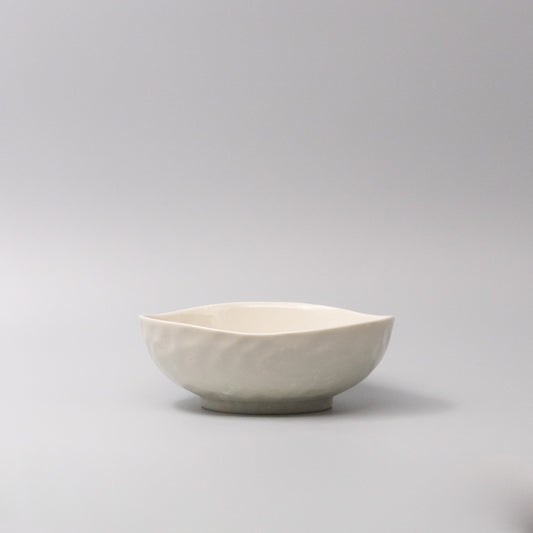
| Oval Bowls | Elongated dishes, fish, sides, styling variety |
Ramen bowls tend to be the deepest and widest in a typical set, built to hold generous amounts of broth without cooling too quickly. Rice bowls sit at the opposite end of the scale, small and light enough to lift comfortably with one hand throughout a meal. Serving bowls are usually chosen for their visual impact as much as their size, since they often become the centrepiece of a shared table.
Having a mix of sizes on hand, rather than a single uniform set, makes it much easier to plate different meals throughout the week.

🎨 Materials: Ceramic, Porcelain & Stoneware
The material a bowl is made from affects its weight, feel, durability, and even how food tastes when served in it. Most Japanese bowls fall into one of three main categories.
| Material | Best For |
|---|---|
| Ceramic (Stoneware) | Everyday use, rustic aesthetic, durability |
| Porcelain | Fine dining, delicate designs, lighter weight |
| Glazed Stoneware | Rich colour and texture, handmade character |
Ceramic and stoneware bowls are the most common choice for everyday Japanese tableware. Fired at high temperatures, they are dense, sturdy, and able to handle daily use without chipping easily, making them a practical choice for busy kitchens.
Porcelain bowls are prized for their smooth, refined finish and lighter weight. Made from finer clay and fired at even higher temperatures, porcelain often has a slightly translucent quality and is favoured for more formal dining or delicate patterned designs, such as those from Arita.
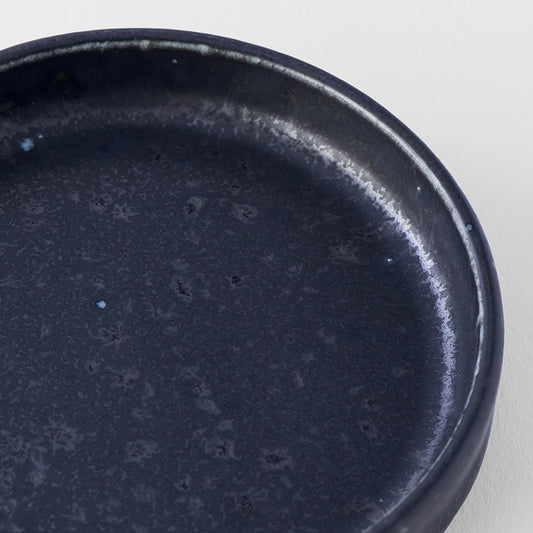
Glazed stoneware, particularly handmade pieces, showcases the deep, varied colours that come from traditional glazing techniques. No two glazed pieces are ever quite the same, small variations in colour and texture are part of the appeal rather than an inconsistency.
Choosing between these materials often comes down to how the bowl will be used day to day versus how it will be displayed or gifted.
🍚 How to Use Each Bowl Type
Knowing what a bowl is designed for makes it much easier to use it well, and to know when to reach for a different one.
Rice bowls are meant to be lifted and held close to the mouth while eating, a small bowl paired with chopsticks lets you gently push rice toward you rather than reaching down with each bite.
Ramen and udon bowls are built for broth based noodle dishes. Their depth and width help retain heat throughout the meal, while their wide opening makes it easier to use chopsticks in one hand and a spoon in the other.
Serving bowls are designed to sit in the centre of the table for shared dishes, chosen more for scale and presentation than for individual portions.
Pasta and salad bowls bring a slightly more relaxed, everyday versatility to Japanese tableware, equally suited to noodle dishes, salads, or fusion style meals.
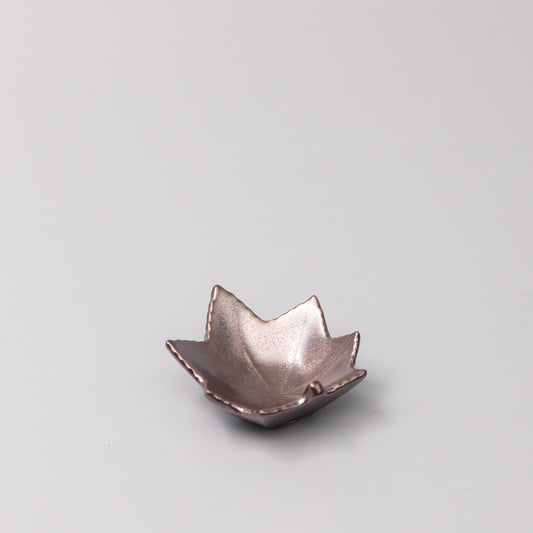
Small bowls are the quiet workhorses of any kitchen, ideal for sauces, pickles, or condiments served alongside a main dish.
Using the right bowl for the right dish is a simple change that noticeably elevates everyday meals at home.
🙏 Bowl Etiquette in Japanese Dining
Bowls play a central role in Japanese dining etiquette, and a few simple customs are worth knowing, whether you are recreating a traditional meal at home or just want to bring a touch of authenticity to your table.
Hold your rice bowl while eating. Unlike many Western dining habits, it is considered polite in Japan to pick up your rice bowl and hold it close to your mouth, rather than leaning down to the table.
Never point or wave a bowl. Bowls, like chopsticks, should be handled calmly. Waving them around or using them to gesture is considered impolite.
Support, don't hover. When passing a bowl, use both hands where possible, a small gesture that signals respect, especially with serving bowls at a shared table.
Place bowls down gently. Setting a bowl down with care, rather than dropping it onto the table, is a subtle but noticed courtesy in traditional settings.
Serving bowls are for sharing. Dishes served in a communal bowl are typically portioned out with serving chopsticks or utensils, rather than everyone eating directly from the shared bowl.
These customs are simple, but they add a layer of intention to the meal that goes beyond just the food itself.
🥢 Essential Accessories & Pairings
A great bowl rarely stands alone. A few simple accessories round out the experience and make everyday meals feel more complete.
Chopsticks
The most natural pairing for any Japanese bowl, particularly rice, ramen, and udon bowls, where chopsticks are used to lift food while the bowl itself is held or steadied.
Discover Chopsticks collection →
Chopstick rests (hashioki)
A small but thoughtful addition to any table setting, keeping chopstick tips off the table between bites.
Shop Chopsticks →
Soup spoons
Particularly useful alongside ramen and udon bowls, allowing broth to be enjoyed alongside noodles without needing to lift the bowl to drink directly.
Shop Spoons →
Building out these small additions over time is often what turns a simple bowl collection into a fully functional, everyday dining setup.

🧭 How to Choose the Right Bowls for Your Kitchen
With so many shapes, sizes, and materials to choose from, building a bowl collection can feel overwhelming at first. A few key questions make the decision much easier.
Start with the basics. Every kitchen benefits from a small core set: a few rice bowls, a couple of medium bowls for soups or light meals, and at least one large serving bowl for shared dishes.
Think about how you cook. If noodle dishes are a regular part of your meals, a ramen or udon bowl is worth prioritising early. If you entertain often, a beautiful serving bowl or two will get more use than you might expect.
Mix materials intentionally. Pairing everyday ceramic bowls with one or two porcelain pieces for special occasions gives a collection more depth without overcomplicating daily use.
Let handmade pieces stand out. Because no two handmade bowls are ever quite identical, they work well as feature pieces rather than matched sets, choose a few standout bowls rather than trying to make everything uniform.
🧼 Bowl Care & Storage Tips
Looking after Japanese bowls properly helps preserve both their appearance and their longevity, particularly for handmade or glazed pieces.
Washing. Most ceramic and porcelain bowls can be washed by hand or in the dishwasher, though hand washing is recommended for delicate hand painted or gold accented pieces to preserve the finish.
Avoid sudden temperature changes. Moving a bowl straight from the freezer to boiling liquid, or vice versa, can cause cracking. Let bowls adjust to room temperature where possible.
Stacking with care. When stacking bowls for storage, place a soft cloth or paper towel between each piece to prevent scratching, especially with glazed or patterned finishes.
Storage. Keep bowls in a dry cupboard away from direct sunlight, which can dull glazes over time. Grouping bowls by size makes for both easier storage and quicker access during meal prep.
With a little care, quality Japanese bowls can easily last for decades, often becoming more characterful with age rather than less.
❓ Bowls FAQs
What is the difference between a rice bowl and a ramen bowl?
Rice bowls are small and light, designed to be held in one hand while eating. Ramen bowls are much larger and deeper, built to hold broth and noodles while retaining heat.
Are Japanese bowls dishwasher safe?
Most ceramic and porcelain bowls are dishwasher safe, though delicate hand painted or gold accented pieces are best hand washed to protect the finish.
What size bowl should I buy for everyday use?
A medium bowl is the most versatile everyday option, suitable for soups, light meals, and general use, while small bowls suit sides and large bowls suit shared servings.
What makes handmade Japanese bowls different from mass produced ones?
Handmade bowls are individually thrown and glazed, meaning slight variations in shape, glaze, and weight are normal and part of their character, rather than a flaw.
Can I use a ramen bowl for other dishes?
Yes, ramen bowls work well for udon, pho, or other noodle soups, and their generous size also makes them useful for large salads or shared side dishes.
What material is best for everyday Japanese bowls?
Ceramic or stoneware is the most practical choice for daily use, offering durability at an accessible price point, while porcelain suits more delicate or formal settings.