🍵 What Is Matcha?
At first glance, matcha may look like just another green tea-but it's unlike any tea you've tried before.
Unlike traditional green tea, where the leaves are steeped in hot water and then discarded, matcha is made by consuming the entire tea leaf. The leaves are carefully stone-ground into an ultra-fine powder that is whisked directly into water, allowing you to enjoy the full flavor and nutritional profile of the tea.
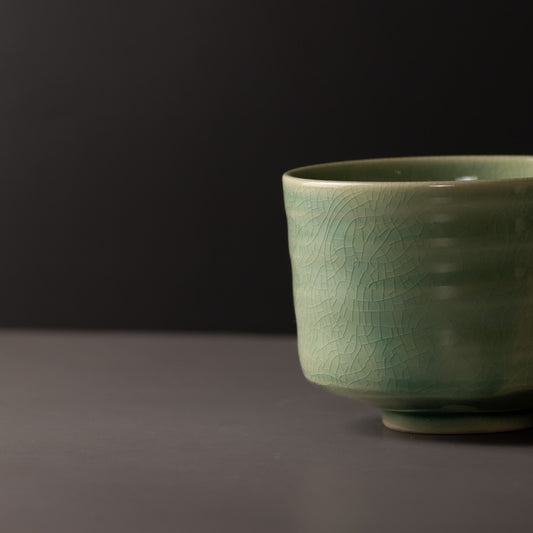
Traditionally, matcha is whisked and served in a matcha bowl (chawan), whose wide shape allows the bamboo whisk to create the smooth, velvety froth that defines a well-prepared bowl of matcha. A handcrafted ceramic bowl not only improves the whisking process but also enhances the ritual of preparing and enjoying the tea.
Authentic matcha powder is made from specially cultivated tea leaves called tencha. Around three to four weeks before harvest, the tea plants are shaded from direct sunlight. This traditional growing method encourages the leaves to produce more chlorophyll and naturally occurring amino acids, giving premium matcha its vivid color and smooth, balanced flavor.
After harvest, the leaves are quickly steamed to preserve freshness, dried, and stripped of their stems and veins before being slowly ground between granite stones. Producing just one tin of ceremonial grade matcha takes time, precision, and generations of expertise—one of the reasons high-quality matcha is so highly valued.
Whether you enjoy it as a traditional tea or a creamy latte, matcha offers an experience that goes far beyond an ordinary cup of green tea.

🇯🇵 The History of Matcha
Matcha has been enjoyed for centuries, but its journey began long before it became the iconic drink we associate with Japan today.
The earliest form of powdered tea originated in China during the Song Dynasty, where tea leaves were steamed, dried, and ground into powder before being whisked with hot water. In the late 12th century, Japanese Buddhist monk Eisai brought tea seeds and this preparation method back to Japan after studying Zen Buddhism in China.
Japanese tea farmers gradually refined the process, developing the shading techniques that are still used today. By protecting the tea plants from direct sunlight before harvest, they discovered they could produce leaves with a naturally sweeter flavor, vibrant green color, and rich umami character.
Over time, matcha became an essential part of the Japanese tea ceremony, or chanoyu. More than simply preparing tea, the ceremony emphasizes mindfulness, respect, and appreciation for the present moment.
Today, Japan remains the world's leading producer of premium matcha. Regions such as Uji, Nishio, and Shizuoka are renowned for producing some of the finest ceremonial matcha available, combining centuries-old traditions with exceptional craftsmanship.
🌿 Matcha vs. Green Tea
Although matcha and green tea come from the same plant—Camellia sinensis—they offer two very different experiences.
The biggest difference lies in how they're prepared.
With traditional green tea, the leaves are steeped in hot water and then removed before drinking. Matcha, on the other hand, is whisked directly into water, meaning you consume the entire leaf.
This difference affects not only the flavor but also the texture and nutritional profile.
| Matcha | Green Tea |
|---|---|
| Entire tea leaf is consumed | Leaves are steeped then discarded |
| Shade-grown before harvest | Usually grown in full sunlight |
| Stone-ground into powder | Whole or broken tea leaves |
| Smooth, creamy texture | Light and refreshing |
| Rich umami flavor | Fresh, grassy flavor |
| Prepared by whisking | Prepared by steeping |
High-quality ceremonial matcha has a naturally smooth, slightly sweet taste with only a gentle hint of bitterness. If you've tried matcha that tasted harsh or overly bitter, chances are it was either a lower grade or prepared incorrectly.
When made with fresh ceremonial grade matcha and the right water temperature, the result is a beautifully balanced cup that's rich, creamy, and surprisingly approachable—even for beginners.
💚 Matcha Benefits
Matcha has earned a reputation as a superfood, but its popularity goes beyond wellness trends. Thanks to its unique growing and preparation methods, matcha contains naturally occurring compounds that have been widely studied for their role in supporting overall well-being.
While no single food is a miracle cure, incorporating high-quality matcha into a balanced lifestyle can be a simple and enjoyable daily habit.
Rich in Antioxidants
Matcha is naturally rich in catechins, a group of plant compounds known for their antioxidant properties. One of the most researched catechins is EGCG (epigallocatechin gallate), which helps protect cells from oxidative stress.
Because you consume the whole tea leaf, matcha provides a more concentrated source of these naturally occurring compounds than traditionally brewed green tea.
Calm, Sustained Energy
Unlike coffee, which often delivers a quick burst of energy followed by a crash, matcha offers a smoother, more balanced experience.
This is thanks to its natural combination of caffeine and L-theanine, an amino acid that develops during the shading process before harvest. Together, they create what many people describe as calm, focused energy without the jitters often associated with coffee.
For this reason, matcha has long been enjoyed by Buddhist monks during meditation and is now a popular choice for students, professionals, and anyone looking for a more balanced way to start the day.
A Moment of Mindfulness
One of the most overlooked benefits of matcha isn't found in the tea itself—it's found in the ritual.
Taking a few minutes to sift the powder, whisk it into a smooth froth, and enjoy it without distractions can become a simple daily practice that encourages you to slow down and be present.
In a busy world, that small ritual can be just as valuable as the tea in your cup.

⭐ How to Choose Quality Matcha
With so many options available, choosing the best matcha powder can feel overwhelming. While attractive packaging can catch your eye, the real indicators of quality are found inside the tin.
Look for a Vibrant Green Color
Fresh, high-quality matcha should have a bright emerald-green color. This vibrant appearance comes from the traditional shading process before harvest, which increases the chlorophyll content in the leaves.
If the powder looks dull, yellow-green, or brownish, it's often a sign of lower quality or oxidation.
Check the Texture
Premium matcha is incredibly fine and silky. Rub a small amount between your fingers, and it should feel almost like soft talcum powder.
A coarse or gritty texture usually indicates a lower-grade product that won't whisk as smoothly.
Fresh Aroma
Good matcha has a fresh, grassy aroma with subtle notes of sweetness and umami. It should smell vibrant and clean—not stale or overly earthy.
Choose Japanese Matcha
While matcha is now produced in several countries, Japan remains the benchmark for premium quality. Tea-growing regions such as Uji, Nishio, and Shizuoka are known for producing exceptional ceremonial matcha using generations of expertise.
Packaging Matters
Because matcha is sensitive to light, air, and moisture, always choose products packaged in airtight tins or opaque containers. Proper packaging helps preserve freshness, flavor, and that beautiful green color.
🥣 Ceremonial vs. Culinary Matcha
One of the first decisions you'll make when buying matcha is choosing between ceremonial grade and culinary grade. While both come from the same tea plant, they're designed for different purposes.
If you're planning to drink matcha on its own with water, ceremonial grade is the clear choice. Made from the youngest, most tender tea leaves, it has a naturally smooth, sweet flavor with minimal bitterness. It's carefully crafted to be enjoyed without milk or sweeteners, allowing the tea's delicate character to shine.
Culinary grade matcha, on the other hand, is produced from slightly more mature leaves. It has a bolder, more robust flavor that stands up well when mixed with milk, chocolate, smoothies, or baked goods. While it's generally more affordable, it's not considered "lower quality"—it's simply made for a different purpose.
Which Matcha Should You Choose?
Here's a simple guide:
| If you want to... | Choose... |
|---|---|
| Drink traditional matcha | Ceremonial Grade |
| Make matcha lattes | Ceremonial or Culinary Grade |
| Bake desserts | Culinary Grade |
| Add matcha to smoothies | Culinary Grade |
| Experience authentic Japanese matcha | Ceremonial Grade |
If you're just starting your matcha journey, we recommend beginning with a high-quality ceremonial matcha. Once you've experienced its smooth, naturally sweet flavor, you'll better understand what sets premium matcha apart.
🛍️ Matcha Essentials
Preparing matcha doesn't require a complicated setup, but a few traditional tools make a noticeable difference. They not only improve the texture of your tea but also turn preparation into a calming daily ritual.
Premium Matcha (coming soon)
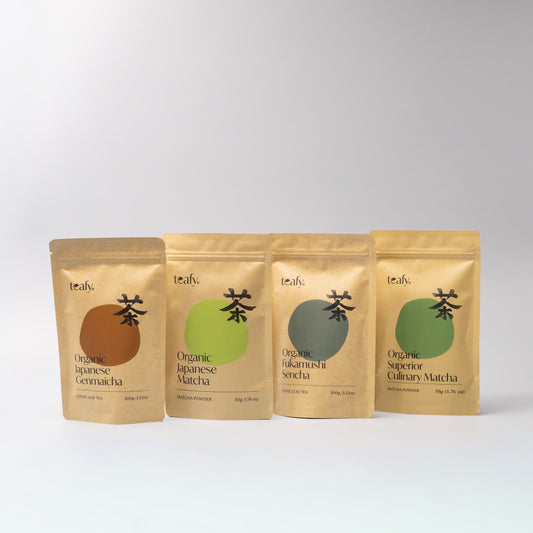
Our premium Japanese matcha is carefully selected for its vibrant green colour, smooth texture, and naturally sweet, umami-rich flavour. Sourced from renowned tea-growing regions in Japan, it's perfect for traditional tea ceremonies, daily matcha rituals, or creating café-quality matcha lattes at home.
Whether you're just beginning your matcha journey or you're a long-time enthusiast, our collection offers ceremonial and everyday matcha to suit every taste. Rich in antioxidants and naturally energising, matcha is a delicious way to enjoy the benefits of finely ground green tea.
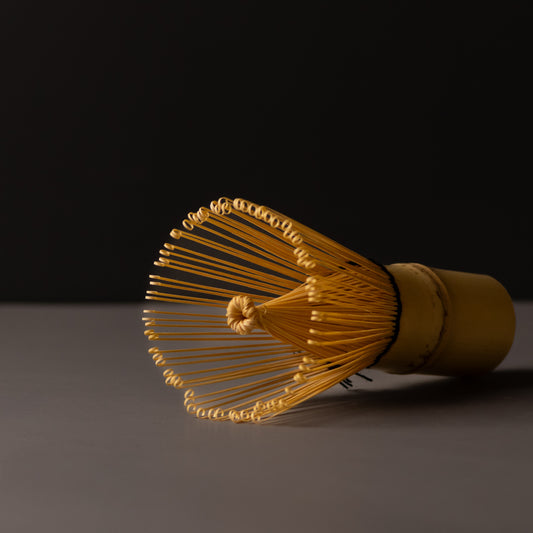
Chasen (Bamboo Whisk)
The bamboo whisk is the heart of traditional matcha preparation. Its fine tines help dissolve the powder evenly while creating the signature layer of light foam on top.
With proper care, a quality whisk can last several months before needing replacement.
Buy here →
Chashaku (Bamboo Scoop)
This curved bamboo scoop is traditionally used to measure matcha. Two scoops are usually enough for one serving and provide a more consistent amount than using a regular teaspoon.
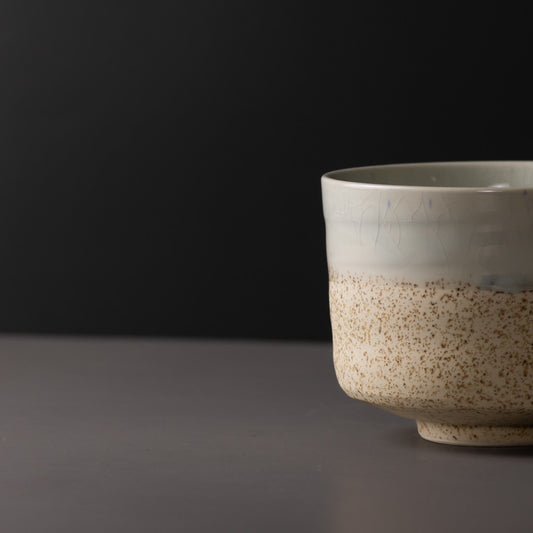
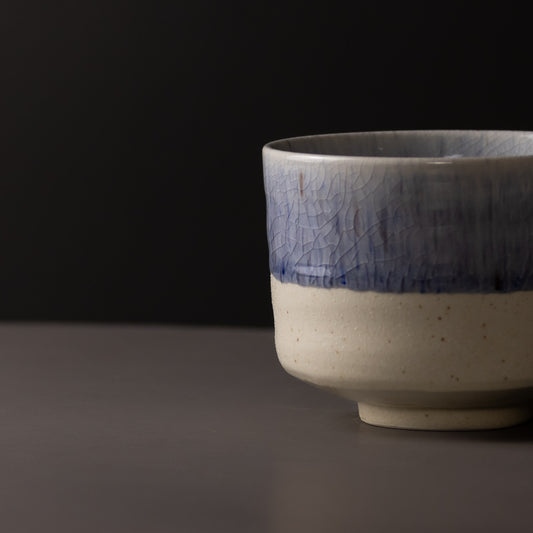
Chawan (Matcha Bowl)
A wide ceramic bowl gives you enough room to whisk comfortably and achieve a smooth, frothy texture. It also enhances the overall drinking experience and is an essential part of traditional Japanese tea preparation.
Fine Mesh Sieve
Even freshly ground matcha naturally forms small clumps due to moisture in the air. Sifting the powder before whisking ensures a silky, lump-free cup every time.
Whisk Holder (Kusenaoshi)
Although optional, a whisk holder helps your bamboo whisk maintain its shape as it dries, extending its lifespan and keeping it in the best condition.

🎨 Why the Right Matcha Bowl Matters
If there's one traditional tool worth investing in, it's a quality matcha bowl (chawan). While you can technically prepare matcha in any mug, a proper bowl is designed with a wide shape that gives your bamboo whisk enough room to create the smooth, velvety foam that makes matcha so enjoyable. Beyond practicality, the bowl is an essential part of the Japanese tea ritual. The texture, shape, and craftsmanship all contribute to the experience, turning a simple cup of tea into a mindful daily moment. Whether you prefer a rustic handmade ceramic bowl or a clean, modern design, the right chawan makes whisking easier, feels comfortable in your hands, and showcases the vibrant green colour of the matcha beautifully.
🍵 How to Prepare Matcha
Preparing matcha is simple once you know the basics. With a little practice, you can make café-quality matcha at home in just a few minutes.
What You'll Need
- 1–2 teaspoons ceremonial matcha
- 60–70 ml (2–2.5 oz) hot water
- Additional hot water, if desired
- Bamboo whisk (chasen)
- Matcha bowl
- Fine mesh sieve
Step 1: Sift the Matcha
Place one to two teaspoons of matcha into a fine mesh sieve and gently sift it into your bowl. This removes small clumps and creates a much smoother tea.
Step 2: Add Hot Water
Pour a small amount of hot water over the matcha.
The ideal water temperature is around 175°F (80°C).
Avoid using boiling water, as it can make even premium matcha taste bitter.
Step 3: Whisk
Using your bamboo whisk, whisk briskly in a zigzag or "W" motion—not in circles.
After about 15–20 seconds, a layer of fine foam should appear on the surface.
Step 4: Enjoy
Drink your matcha immediately while it's fresh and frothy.
Traditional matcha is served without milk or sugar, but you can adjust it to suit your taste.
💡 Expert Tip
Great matcha shouldn't need sugar. If you find yourself adding sweeteners every time, it may be worth trying a higher-quality ceremonial matcha.
🥛 How to Make a Matcha Latte
Love the creamy matcha drinks from your favorite café? They're surprisingly easy to recreate at home.
Ingredients
- 1–2 teaspoons matcha
- 60 ml (2 oz) hot water
- 180–240 ml (6–8 oz) milk of choice
- Optional: honey, maple syrup, or vanilla
Instructions
- Sift the matcha into a bowl.
- Add the hot water.
- Whisk until smooth and frothy.
- Heat and froth your milk separately.
- Pour the milk over the prepared matcha.
- Sweeten to taste, if desired.
For an iced matcha latte, simply pour the whisked matcha over ice before adding cold milk.
Oat milk creates a particularly creamy texture, while almond and soy milk are also popular choices.

📦 How to Store Matcha
Freshness has a significant impact on both flavor and color.
Once opened, matcha gradually reacts with air, light, moisture, and heat. Proper storage helps preserve its vibrant green appearance and delicate taste.
Best Practices
- Store matcha in an airtight container.
- Keep it away from direct sunlight.
- Avoid humid areas such as above the stove.
- Keep it away from strong-smelling foods, as matcha can absorb odors.
Many people choose to store matcha in the refrigerator, especially in warmer climates. If you do, make sure the container is tightly sealed and allow it to return to room temperature before opening. This helps prevent condensation from affecting the powder.
For the best flavor, try to enjoy your matcha within one to two months after opening.
❓ Frequently Asked Questions
Does matcha contain caffeine?
Yes. Matcha naturally contains caffeine, but because it also contains L-theanine, many people find the energy feels smoother and more balanced than coffee.
Can I drink matcha every day?
Yes. Many people enjoy one or two servings of matcha daily as part of a balanced diet.
Why is ceremonial matcha more expensive?
Producing ceremonial matcha requires carefully shaded tea plants, hand-selected young leaves, and slow stone grinding. These traditional methods take time and expertise, resulting in a premium product with exceptional flavor.
Why does my matcha taste bitter?
Bitterness is usually caused by one of three things:
- Low-quality matcha
- Water that's too hot
- Incorrect preparation
Using fresh ceremonial matcha and water at around 175°F (80°C) can make a remarkable difference.
Does matcha expire?
Matcha doesn't spoil in the traditional sense, but it gradually loses freshness. Over time, the color becomes duller, the aroma fades, and the flavor becomes flatter. Proper storage helps preserve its quality for longer.
Is matcha vegan and gluten-free?
Pure matcha powder is naturally vegan and gluten-free. Always check ingredient labels if you're purchasing flavored blends.
🍃 Final Thoughts
Choosing the best matcha isn't about finding the most expensive tin on the shelf—it's about understanding what makes quality truly stand out.
Fresh, vibrant ceremonial grade matcha is the result of careful cultivation, traditional craftsmanship, and thoughtful preparation. From the moment the tea plants are shaded in the fields of Japan to the final whisk in your bowl, every step contributes to the flavor, aroma, and experience in your cup.
Whether you're looking for a calm morning ritual, a smooth alternative to coffee, or simply a delicious way to enjoy green tea, investing in high-quality matcha makes all the difference.
Take the time to choose a matcha you'll enjoy, prepare it with care, and make it a ritual you'll look forward to every day.
🍵 Ready to Find Your Perfect Matcha?
Whether you're just beginning your matcha journey or searching for a premium ceremonial blend, explore our collection of authentic Japanese matcha and traditional tea tools.
Subscribe to get notification when the Premium Matcha is in stock →
Discover our exclusive Matcha Tea Bowls →