🍜 What Is a Ramen Bowl?
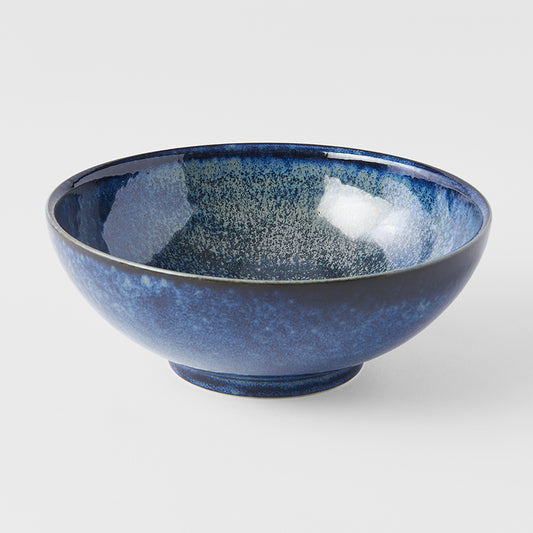
A ramen bowl is far more than just a dish for serving noodles—it's an essential part of the Japanese dining experience. Specifically designed for ramen, these bowls are wider and deeper than standard soup bowls, allowing plenty of room for rich broth, springy noodles, and carefully arranged toppings without feeling overcrowded.
Traditional Japanese ramen bowls are crafted to combine functionality with beauty. Their generous depth helps keep the broth hot for longer, while the wide opening creates space to showcase toppings such as chashu pork, marinated eggs, bamboo shoots, nori, corn, mushrooms, and fresh spring onions. The result is a meal that looks as impressive as it tastes.
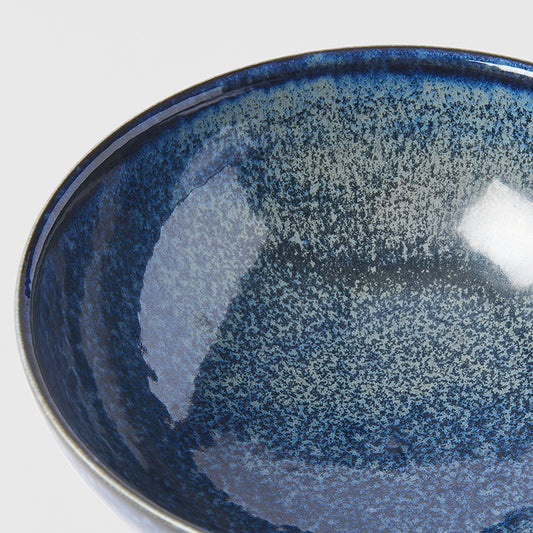
Most authentic ramen bowls are handcrafted from ceramic or porcelain by skilled artisans. Every piece features subtle variations in glaze, texture, and colour, making each bowl unique. This appreciation for craftsmanship reflects the Japanese belief that even everyday tableware should bring beauty to daily life.
Whether you're recreating your favourite ramen restaurant at home or enjoying a comforting homemade bowl, choosing authentic Japanese tableware makes the experience feel more special and complete.
Typical Features of a Ramen Bowl
- Deep design for generous portions of broth and noodles
- Wide opening that beautifully displays toppings
- Thick ceramic walls that help retain heat
- Comfortable shape for lifting the bowl while eating
- Durable enough for everyday use
- Unique handcrafted finishes inspired by traditional Japanese pottery

🇯🇵 The History of Japanese Ramen Bowls
Although ramen has become one of Japan's most famous dishes, its origins can be traced back to Chinese wheat noodles introduced during the late 19th century. As ramen gained popularity throughout Japan in the early 20th century, specialised bowls were developed to suit the generous portions of broth and noodles that defined the dish.
Unlike rice bowls or shallow serving dishes, ramen required larger vessels that could comfortably hold hot broth while providing enough space for toppings to be arranged attractively. Japanese potters responded by creating deeper ceramic bowls that combined practical design with artistic craftsmanship.
Over time, different pottery regions developed their own distinctive glazing techniques and decorative styles. Some favoured rustic stoneware with earthy finishes, while others became known for elegant porcelain decorated with hand-painted patterns or dramatic dark glazes. Many of these traditional techniques continue to influence handmade Japanese tableware today.
Modern ramen restaurants still pay close attention to bowl selection. Professional chefs often choose bowls that complement the colour of the broth, enhance presentation, and provide the ideal balance between aesthetics and functionality.
A Brief Timeline
- Late 1800s: Chinese noodle dishes arrive in Japan.
- Early 1900s: Ramen begins appearing throughout Japanese cities.
- 1950s: Regional ramen styles become increasingly popular.
-
Today: Handmade ceramic ramen bowls remain the preferred choice in premium ramen restaurants and homes around the world.
📏 Choosing the Right Ramen Bowl Size
One of the most common questions is, "What size ramen bowl should I buy?"
Traditional Japanese ramen bowls are intentionally larger than the meal itself. Rather than being filled to the brim, they leave space for the broth, noodles, and toppings, creating the balanced presentation found in authentic ramen restaurants while helping prevent spills.
While every bowl is unique, ramen bowls are generally available in three practical sizes. Choosing the right one depends on how you enjoy your ramen and the portion size you prefer.
Which Size Is Right for You?
Small
450–650 ml
Perfect for rice bowls, side dishes, desserts, or smaller servings of ramen.
Shop Small Ramen Bowl Collection →
Standard — Most Popular ⭐
651–1,000 ml
The classic Japanese ramen bowl and the most versatile choice for everyday use. It comfortably holds broth, noodles, chashu, egg, vegetables, and other traditional toppings while leaving enough room for an authentic presentation.
Shop Medium Ramen Bowl Collection →
Large
1,001–1,200 ml
Ideal for generous portions, extra toppings, or restaurant-style ramen with plenty of broth.
Shop Large Ramen Bowl Collection →
Our Recommendation
For most people, we recommend a standard ramen bowl (651–1,000 ml). It offers the ideal balance of capacity, comfort, and presentation, making it the perfect choice for everyday homemade ramen.
If you enjoy oversized portions or love adding extra toppings, a large bowl (1,001–1,200 ml) gives you even more room while maintaining the authentic Japanese dining experience.

🥣 Why Bowl Shape Matters
The shape of a ramen bowl isn't simply a design choice—it directly influences how the dish is served, presented, and enjoyed. Every curve has been refined over generations to create the ideal balance between practicality and aesthetics.
A wide opening allows chefs to arrange toppings neatly without covering the noodles, making every ingredient visible. This presentation is a fundamental part of Japanese cuisine, where visual harmony is considered just as important as flavour.
The generous depth holds a substantial amount of broth while reducing the risk of spills during serving. Thick ceramic walls help retain heat, allowing the broth to stay warmer for longer compared to thinner bowls made from glass or lightweight porcelain.
Professional ramen chefs also choose bowl colours carefully. Dark glazes create striking contrast with creamy tonkotsu broth, while lighter bowls beautifully frame colourful vegetables and rich miso ramen. The bowl itself becomes part of the overall dining experience.
Why Traditional Japanese Ramen Bowls Work So Well
- Excellent heat retention for hot broth
- Wide opening that showcases toppings beautifully
- Deep profile for generous portions
- Stable base for easy serving
- Comfortable to hold while drinking the broth
- Durable ceramic construction for everyday use
- Handcrafted finishes that make every meal feel special
Whether you're preparing a simple shoyu ramen or an elaborate homemade feast, serving it in the right bowl elevates the entire experience and brings you one step closer to authentic Japanese dining.
🏺 Traditional Materials Used for Ramen Bowls
The material of a ramen bowl plays a significant role in both its appearance and performance. While bowls can be made from various materials, authentic Japanese ramen bowls are traditionally crafted from ceramic or porcelain. These materials are valued for their durability, excellent heat retention, and timeless beauty.
Unlike plastic or thin glass bowls, ceramic tableware keeps the broth warmer for longer while providing a comfortable weight in your hands. Each handcrafted bowl also develops its own character through unique glazing techniques, making every piece slightly different.
Japanese potters have spent centuries refining their craft, using natural clay, mineral-rich glazes, and high-temperature kilns to create tableware that is both functional and artistic. Today, many of these traditional techniques are still used to produce ramen bowls that can be enjoyed every day.
Ceramic Ramen Bowls
Ceramic is the most popular choice for ramen bowls thanks to its durability and versatility. Handmade ceramic bowls often feature textured surfaces, rich glazes, and organic shapes that give every meal a more authentic feel.
The slightly thicker walls help keep ramen hot while adding a satisfying weight that feels substantial without being uncomfortable to hold.
Porcelain Ramen Bowls
Porcelain is fired at higher temperatures than standard ceramic, creating a smoother and denser material. It offers a refined appearance with crisp white finishes or delicate hand-painted decorations, making it an excellent choice for elegant table settings.
Porcelain bowls are particularly popular in modern Japanese restaurants where clean presentation is a priority.
Stoneware Ramen Bowls
Stoneware combines exceptional durability with rustic beauty. Fired at very high temperatures, stoneware develops natural textures and earthy colours that perfectly complement traditional Japanese cuisine.
Many artisan ramen bowls are made from stoneware because it retains heat exceptionally well while showcasing beautiful reactive glazes that make every bowl unique.
Why Handmade Bowls Are Worth It
- Superior heat retention for hot broth
- Exceptional durability for everyday use
- Unique handcrafted glazes and finishes
- Comfortable weight and balance
- Each bowl is one of a kind
- Supports traditional Japanese craftsmanship
Choosing a handcrafted ceramic ramen bowl isn't just about serving food—it's about bringing a piece of Japanese craftsmanship into your home and creating a more enjoyable dining experience every time you prepare ramen.
🎨 Different Styles of Japanese Ramen Bowls
Japanese ramen bowls come in a wide variety of colours, shapes, and glazing techniques. While every bowl serves the same purpose, each style creates a different atmosphere at the table and can completely change the presentation of your ramen.
Many of today's most popular designs are inspired by centuries-old pottery traditions that originated in different regions of Japan. Others combine traditional craftsmanship with contemporary minimalist aesthetics, making them suitable for both modern and classic homes.
Black Ramen Bowls
Black bowls create dramatic contrast, making creamy tonkotsu broth, colourful vegetables, and soft-boiled eggs stand out beautifully. They're a favourite among professional ramen restaurants because they instantly elevate presentation.
Blue & White Ramen Bowls
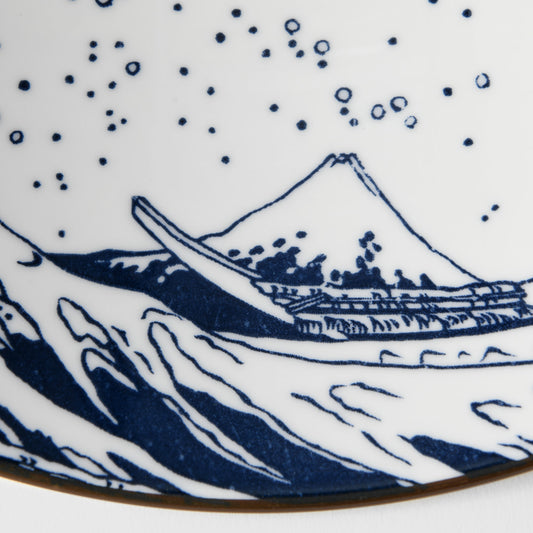
Inspired by traditional Japanese porcelain, blue and white bowls offer a timeless appearance that pairs beautifully with almost every style of ramen. Their clean design also makes them versatile enough for udon, soba, donburi, and rice dishes.
Rustic Stoneware Bowls
Featuring earthy glazes and natural textures, rustic bowls celebrate the beauty of handmade pottery. Every piece has subtle variations that make it completely unique, embracing the Japanese philosophy of appreciating imperfection.
Modern Minimalist Bowls
Simple lines and understated glazes have become increasingly popular in contemporary homes. These bowls place full attention on the food while blending effortlessly into modern kitchens.
Which Style Should You Choose?
If you enjoy restaurant-style presentation, dark glazed bowls provide striking contrast. For everyday versatility, blue and white porcelain remains a timeless favourite, while rustic stoneware is perfect for those who appreciate handcrafted ceramics with natural textures.
Ultimately, the best ramen bowl is the one that reflects your personal style and makes every bowl of ramen feel special.
⭐ How to Choose the Perfect Ramen Bowl
Choosing the perfect ramen bowl depends on more than appearance. The ideal bowl should suit your cooking style, portion size, and the way you enjoy ramen at home. By considering a few simple factors, you'll find a bowl that you'll enjoy using for years.
Choose the Right Capacity
For most people, a standard 900 ml ramen bowl offers the perfect balance of capacity and presentation. It comfortably holds broth, noodles, and classic toppings while leaving enough room for an authentic restaurant-style serving. If you enjoy larger portions or extra toppings, choose a bowl between 1,100 and 1,200 ml. Smaller bowls are ideal for lighter meals, rice dishes, or side servings.
Consider the Material
Handmade ceramic and stoneware bowls provide excellent heat retention and durability, making them ideal for everyday use. Porcelain offers a lighter, more refined appearance that suits modern table settings.
Everyday Practicality Matters
If you plan to use your bowls regularly, choose durable ceramics that are dishwasher and microwave safe. Handmade Japanese bowls combine practicality with exceptional craftsmanship, making them suitable for both everyday meals and special occasions.
Build a Matching Collection
Many people begin with two ramen bowls before expanding their collection with matching rice bowls, noodle bowls, chopsticks, ramen spoons, and serving plates. Coordinated Japanese tableware creates a more authentic dining experience and makes entertaining guests even more enjoyable.
Whether you're new to Japanese ceramics or an experienced collector, investing in quality handcrafted tableware ensures that every bowl of ramen is served exactly as it was intended.
🍥 Ramen Bowl Etiquette in Japan
Ramen is often considered a casual meal, but in Japan, there are still traditions and customs that make the dining experience even more enjoyable. Understanding a few simple etiquette rules can help you appreciate ramen the way it has been enjoyed for generations.
Unlike formal Japanese dining, ramen etiquette is relaxed and practical. The goal is to enjoy the noodles while they're still hot, respecting both the craftsmanship of the chef and the quality of the ingredients.
Don't Wait Too Long
Once your ramen is served, it's meant to be eaten immediately. The noodles continue cooking in the hot broth, so waiting too long changes their texture and affects the overall flavour.
Yes, Slurping Is Encouraged
One of the most surprising aspects of Japanese dining is that slurping noodles is perfectly acceptable—and even encouraged. Slurping helps cool the noodles before they reach your mouth while enhancing the aroma of the broth. Rather than being considered rude, it's often seen as a sign that you're enjoying the meal.
Use Both Chopsticks and a Spoon
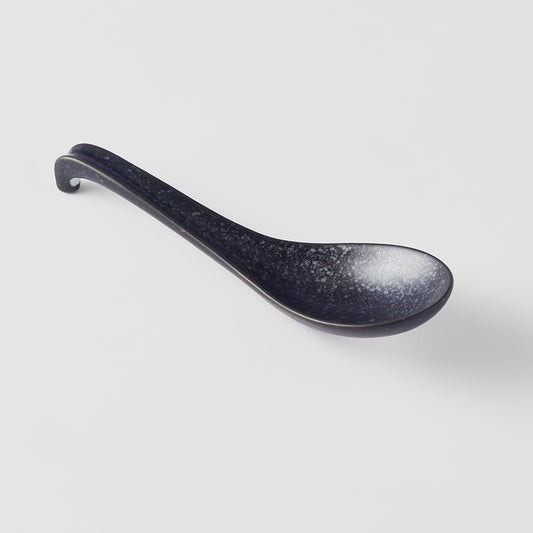
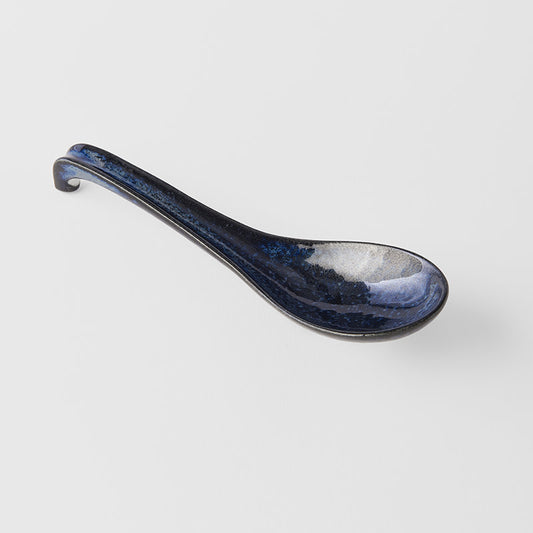
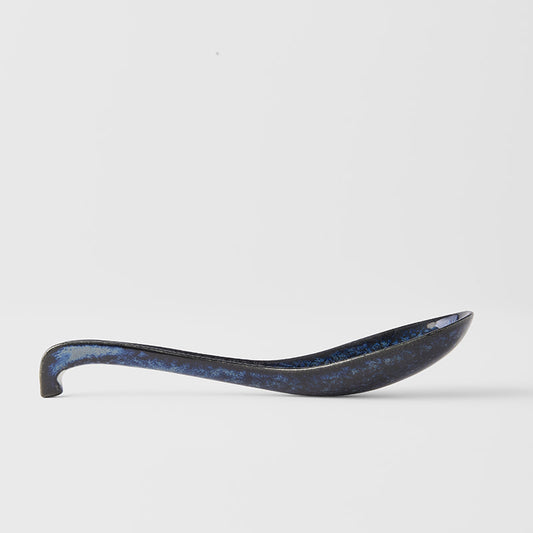
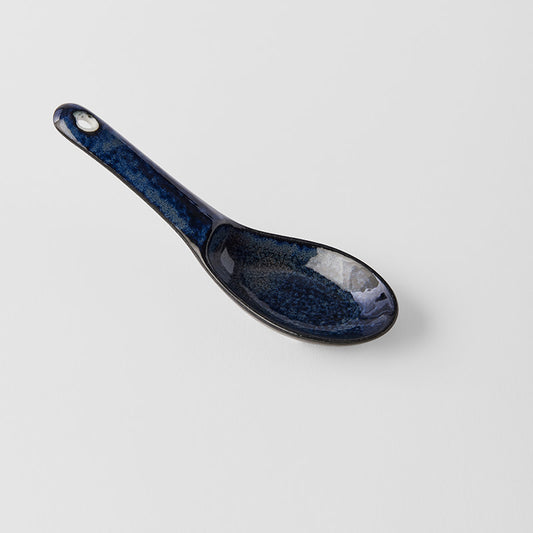
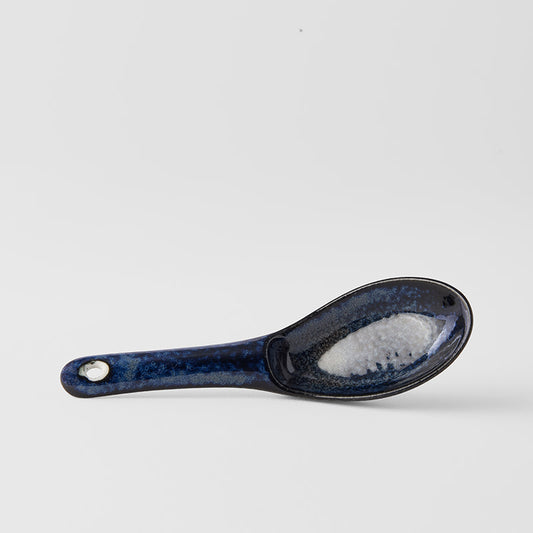
Traditional ramen is eaten with chopsticks for the noodles and toppings, while a ramen spoon (renge) is used to enjoy the broth. Many people also lift the bowl slightly when drinking the remaining soup, especially towards the end of the meal.
Enjoy Every Ingredient
Japanese ramen is carefully assembled so that every topping contributes to the final flavour. Try combining noodles, broth, and toppings together rather than eating each ingredient separately.
Common Ramen Etiquette Tips
- Start eating while the ramen is still hot.
- Don't be afraid to slurp your noodles.
- Use a ramen spoon for the broth.
- Hold the bowl comfortably if needed.
- Enjoy the toppings together with the noodles.
- Most importantly, savour every bite.
👨🍳 Authentic Japanese Ramen Recipe
Creating delicious ramen at home doesn't have to be complicated. While traditional broths can simmer for many hours, this simple recipe delivers authentic flavour using ingredients that are easy to find.
Ingredients (Serves 2)
- 2 portions fresh ramen noodles
- 1 litre chicken or pork broth
- 2 tbsp soy sauce
- 1 tbsp miso paste (optional)
- 2 soft-boiled eggs
- 4 slices chashu pork or roasted pork
- Spring onions
- Nori sheets
- Bamboo shoots (menma)
- Sweet corn (optional)
- Sesame seeds
Instructions
- Bring the broth to a gentle simmer and stir in the soy sauce and miso.
- Cook the ramen noodles according to the package instructions.
- Divide the noodles between two warmed ramen bowls.
- Pour the hot broth over the noodles.
- Arrange the pork, eggs, bamboo shoots, nori, spring onions, and other toppings.
- Finish with sesame seeds and serve immediately.
For the most authentic presentation, always pre-warm your ramen bowls before serving. This helps keep the broth hotter for longer and recreates the restaurant experience at home.
❓ Ramen Bowl FAQs
What size ramen bowl should I buy?
For most people, a standard 900 ml ramen bowl is the ideal choice. It comfortably holds broth, noodles, and classic toppings while leaving enough room for the balanced presentation that makes authentic Japanese ramen so distinctive.
Why are ramen bowls so large?
Traditional ramen bowls are designed to hold plenty of broth while preventing spills and allowing toppings to be arranged beautifully.
What are ramen bowls made from?
Authentic Japanese ramen bowls are most commonly made from ceramic, porcelain, or stoneware. These materials retain heat well and are highly durable.
Can ramen bowls go in the dishwasher?
Many modern handmade ramen bowls are dishwasher safe, but it's always best to check the product description for specific care instructions.
Are ramen bowls microwave safe?
Most ceramic and porcelain ramen bowls are microwave safe unless they feature metallic decorations. Always refer to the manufacturer's care recommendations.
What's the difference between a ramen bowl and a noodle bowl?
Ramen bowls are generally deeper and designed specifically to hold both broth and noodles, while noodle bowls may be shallower or intended for dry noodle dishes.
Can I use a ramen bowl for other dishes?
Absolutely. Ramen bowls are incredibly versatile and are perfect for udon, soba, pho, donburi, poke bowls, salads, pasta, and hearty soups.
Why choose a handmade ramen bowl?
Handmade bowls offer unique character, exceptional craftsmanship, excellent heat retention, and a more authentic Japanese dining experience. No two bowls are exactly alike, making each piece truly special.
Find the Perfect Ramen Bowl
The right ramen bowl does more than hold your meal—it enhances the entire dining experience. From keeping your broth warm to giving your toppings room to shine, choosing the right size and style makes every bowl of ramen even more enjoyable.
Whether you're preparing a quick weeknight dinner or recreating an authentic Japanese ramen experience at home, you'll find handcrafted bowls designed for both beauty and practicality.
Explore our collection of authentic Japanese ramen bowls!