🍶 What Is Sake?
Sake is often misunderstood in the West. It's frequently called "rice wine," but that description doesn't quite tell the whole story. Unlike wine, which is made by fermenting the natural sugars in grapes, sake is brewed through a more complex process, closer to beer making, except far more intricate.
Rice doesn't contain fermentable sugar on its own, so brewers rely on a mould called koji to convert the starches in the rice into sugar, which is then fermented into alcohol using yeast. What makes sake brewing especially remarkable is that this conversion and fermentation happen at the same time, in the same tank, a technique known as multiple parallel fermentation, found almost nowhere else in the brewing world.
The result is a drink typically between 15 and 16% alcohol, with a flavour profile that can range from light, delicate, and floral to rich, savoury, and full bodied, depending on the rice, water, yeast strain, and brewing method used.
Interestingly, in Japan, the word "sake" (酒) technically refers to alcohol in general. The specific drink Australians know as sake is more precisely called nihonshu (日本酒), meaning "Japan's sake". You'll often see both terms used on premium bottles.
At its core, authentic Japanese sake is a product of place. The rice variety, the purity of the local water, the regional climate, and generations of brewing expertise all shape what ends up in the glass.
🇯🇵 The History & Cultural Significance of Sake
Sake's story stretches back more than a thousand years, deeply woven into Japan's religious and agricultural traditions. Early sake production is believed to date to around the 3rd century, closely tied to rice cultivation and Shinto beliefs. Rice was considered sacred, and sake, made from that same rice, was seen as a way to honour the gods.
One of the earliest known brewing methods, kuchikami no sake ("chewing sake"), involved chewing rice and spitting it into a vessel, where enzymes in saliva helped convert starches to sugar for fermentation. While this method eventually disappeared, it reflects just how ritualistic and communal sake production once was.
The real turning point came with the discovery and refinement of koji mould as a fermentation starter, which allowed for far more consistent, scalable, and controllable brewing. By the Edo period (1603 to 1868), sake breweries, known as kura, were established across the country, many of which are still operating today, some with histories spanning over 300 years.
Sake has never been just a beverage in Japan, it's embedded in ceremony. It's offered at Shinto shrines as a gift to the gods, used to purify sacred spaces, and shared during major life events. Even today, you'll find sake barrels stacked outside shrines, donated by breweries as a mark of respect and tradition.
In recent decades, Japan has seen a "craft sake" renaissance, with smaller breweries focusing on premium, small batch production, paralleling the specialty coffee and craft beer movements. This shift has helped fuel growing international demand for premium sake, including a fast-expanding market here in Australia.
🎋 Japanese Occasions for Drinking Sake
Sake isn't reserved for special occasions in Japan, it's part of everyday life, but it does play a starring role in some of the country's most meaningful traditions.
New Year (Otoso)
On New Year's Day, many Japanese families drink otoso, a spiced sake believed to ward off illness and bring good fortune for the year ahead. It's typically sipped from small red lacquered cups, often shared from youngest to eldest.
Weddings (San-San-Kudo)
At traditional Japanese weddings, the bride and groom take part in a ritual called san-san-kudo, sharing sake from three cups, each sipped three times. The number nine symbolises a strong, lasting bond between the couple and their families.
Cherry Blossom Season (Hanami)
During hanami, friends and colleagues gather beneath blooming cherry trees to eat, celebrate, and drink sake together, marking the fleeting beauty of the season with something equally to be savoured slowly.
Celebratory Barrel Breaking (Kagami Biraki)
At weddings, business openings, and festivals, you'll often see a ceremonial wooden sake barrel broken open with a wooden mallet, symbolising good fortune, unity, and new beginnings. The sake is then shared with everyone present.
Everyday Social Occasions
Beyond ceremony, sake is a natural part of dining out and socialising in Japan, shared over dinner, enjoyed at an izakaya after work, or offered as a gift when visiting someone's home.
| Occasion | Significance |
|---|---|
| Otoso (New Year) | Good health and fortune for the year ahead |
| San-San-Kudo (Weddings) | Uniting families through shared cups |
| Hanami (Cherry Blossoms) | Celebrating beauty and togetherness |
| Kagami Biraki | Marking new beginnings and shared celebration |
| Everyday dining | Connection, hospitality, and respect |
A common thread runs through nearly all these occasions: sake is rarely poured for yourself. Traditionally, you pour for others, and they pour for you, a small but meaningful gesture of care and respect.
⭐ How to Choose Good Sake
With so many bottles on the shelf, choosing good sake can feel intimidating, but once you understand a few key terms, it becomes much easier to find a bottle you'll genuinely enjoy.
Understand the Two Broad Categories
Sake is generally divided into futsu shu (regular table sake, similar to everyday drinking wine) and tokutei meisho shu (premium, "special designation" sake). If you're looking for the best Japanese sake, you'll want to focus on the second category.
Learn the Rice Polishing Ratio (Seimaibuai)
Before brewing, rice grains are polished to remove the outer layers, which contain fats and proteins that can create unwanted flavours. The percentage of the grain remaining after polishing, called the seimaibuai, is one of the biggest indicators of quality and style.
| Grade | Rice Polishing Ratio | Flavour Profile |
|---|---|---|
| Honjozo | 70% or less remaining | Light, smooth, slightly dry |
| Junmai | No minimum requirement | Rich, full bodied, rice forward |
| Ginjo | 60% or less remaining | Fragrant, fruity, refined |
| Daiginjo | 50% or less remaining | Delicate, elegant, highly aromatic |
| Junmai Daiginjo | 50% or less, pure rice only | The pinnacle of premium sake craftsmanship |
Check for Junmai
If a label includes "Junmai," it means the sake is made purely from rice, water, koji, and yeast, with no added brewing alcohol. Many sake enthusiasts consider Junmai varieties to offer the truest, most rice forward expression of flavour.
Look at the Brewery's Region
Water quality varies significantly across Japan, and it has a major impact on flavour. Regions like Niigata are famous for soft, mineral rich water that produces clean, crisp sake, one reason the prefecture has become synonymous with exceptional quality.
Check the Bottling Date, Not Just "Best Before"
Unlike wine, sake generally doesn't improve with age. Look for a bottling date (often printed as a Japanese era year) and aim to drink it within a year for the best flavour, ideally stored away from light and heat.
Don't Judge Purely by Price, But Do Expect to Pay for Craftsmanship
Sake made with heavily polished rice, small batch brewing, and traditional methods takes significantly longer to produce, which is reflected in the price. If you're after genuinely premium sake, expect to spend a little more than you would on a supermarket bottle, but the difference in taste is well worth it.
🏆 Spotlight: Hakkaisan Premium Sake
If you're looking for a trustworthy introduction to premium Japanese sake, Hakkaisan sake is one of the most respected names to know.
Hakkaisan is brewed in Minamiuonuma, Niigata, a region famous for its heavy snowfall, pristine snowmelt water, and bitterly cold winters, all of which happen to be ideal conditions for slow, careful sake fermentation. The brewery takes its name from Mount Hakkai, the very mountain whose snowmelt feeds its water supply.
What sets Hakkaisan apart is its commitment to a style known as tanrei karakuchi, clean, light, and dry. Rather than chasing bold, sweet, or heavily aromatic flavours, Hakkaisan focuses on precision, purity, and balance, letting the quality of the rice and water speak for itself.
This makes Hakkaisan an excellent choice for two very different types of drinkers:
- Newcomers to sake, who'll appreciate its smooth, approachable, non overpowering character
- Experienced sake drinkers, who recognise the technical discipline required to brew something this clean and refined
Hakkaisan has built a strong international reputation, and its sake is increasingly sought after in Australia by those looking to move beyond mass produced options into genuinely premium sake territory. It pairs beautifully with a wide range of foods (more on that shortly) and works equally well served chilled or gently warmed, depending on the specific expression.
For anyone asking "what is the best Japanese sake to start with?", Hakkaisan is consistently one of the safest, most rewarding answers.
🍾 How to Drink Sake – The Proper Setup
Enjoying sake at home doesn't require anything complicated, but a few traditional touches make the experience feel far more authentic, and genuinely improve the way the sake tastes.
What You'll Need
- A bottle of quality Japanese sake
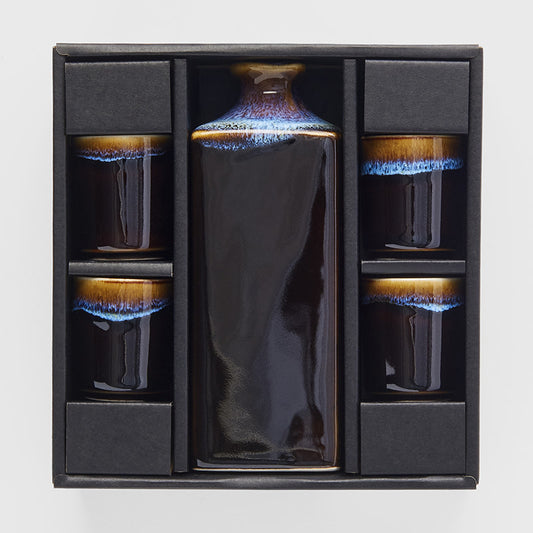
- Tokkuri (Sake Jug)
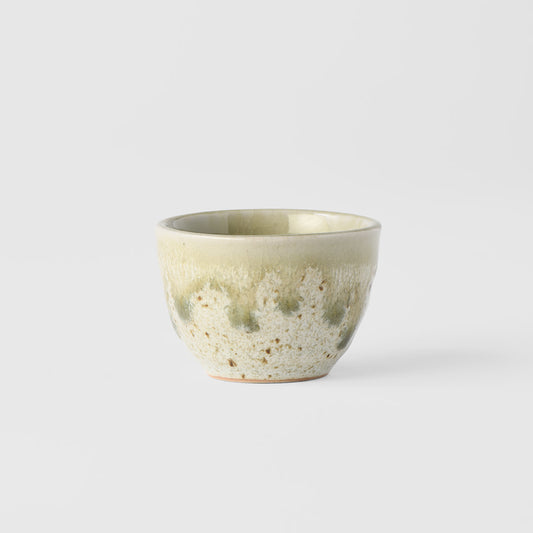
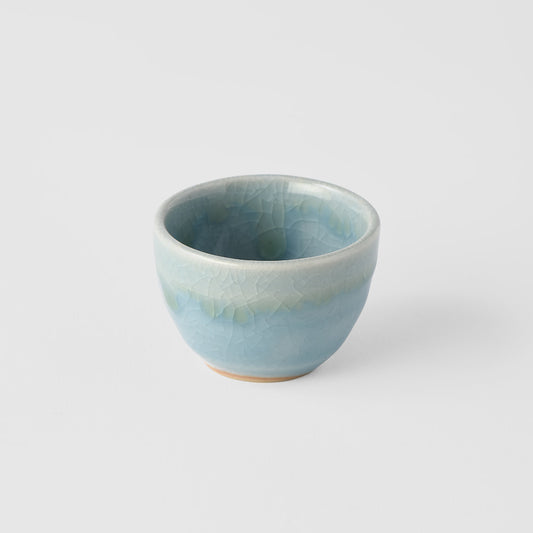
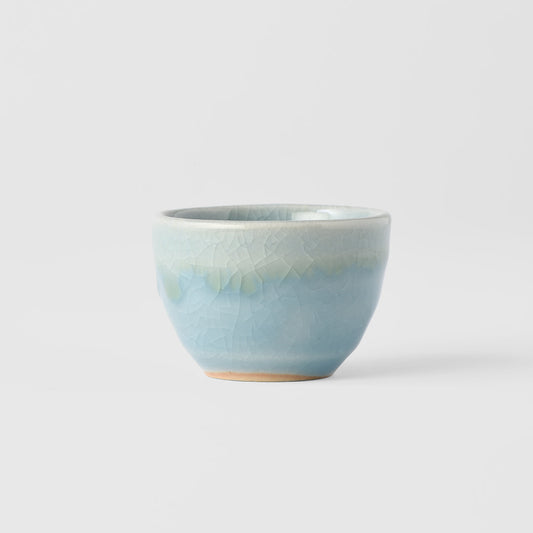
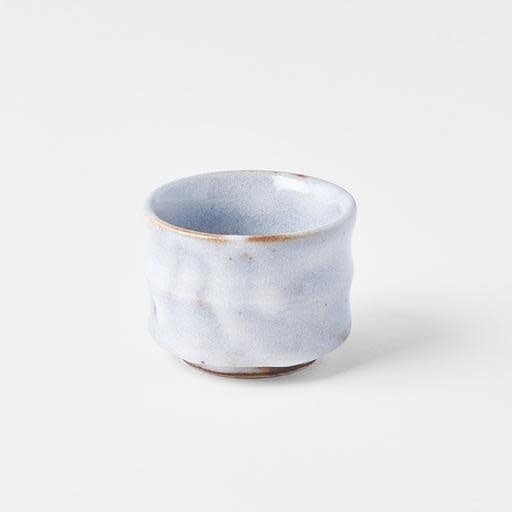
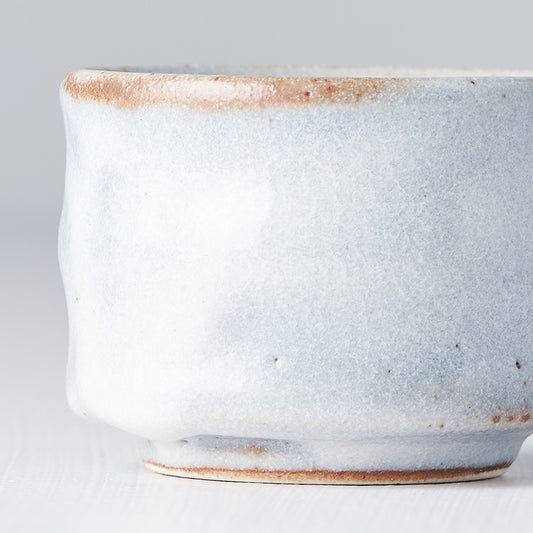
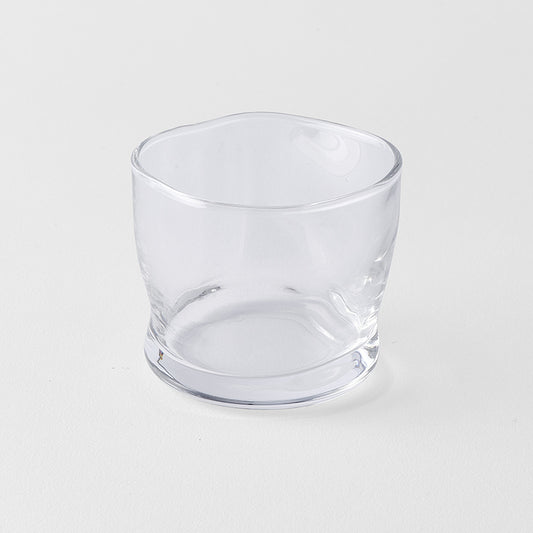
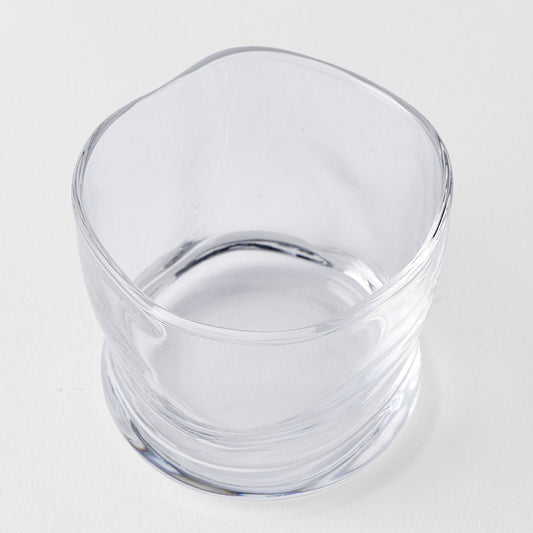
- Ochoko or guinomi (small sake cups)
- A way to warm or chill the sake, depending on style
Step 1: Choose Your Vessel
Traditionally, sake is served from a tokkuri, a narrow necked flask that holds a single serving for two to three cups. Smaller ochoko cups encourage slower sipping and frequent refilling, part of the social ritual of sharing sake with others. Wider guinomi cups are often preferred for premium, aromatic sakes, as their shape allows more of the fragrance to reach your nose.
Step 2: Warm or Chill, Depending on Style
Unlike wine, sake doesn't have one "correct" serving temperature, it depends entirely on the style. Light, fragrant sakes like Ginjo and Daiginjo are best served chilled, which preserves their delicate aromas. Richer, fuller bodied styles like Junmai can be enjoyed warmed, which brings out deeper, more savoury notes.
If warming, place the filled tokkuri in a pot of hot (not boiling) water for a few minutes rather than using a microwave, which heats unevenly and can affect flavour.
Step 3: Pour for Others, Not Yourself
This is one of the most important customs in Japanese sake culture. Traditionally, you pour for the people around you, and they pour for you in return. It's considered a small but meaningful gesture of hospitality and respect, so keep an eye on your companions' cups throughout the meal.
Step 4: Sip Slowly and Savour
Sake is meant to be enjoyed slowly, in small sips, rather than consumed quickly. Take a moment to notice the aroma before tasting, and pay attention to how the flavour changes as the temperature shifts in the cup.

🌡️ Sake Serving Temperature Guide
One of sake's most distinctive qualities is just how much its flavour transforms depending on temperature. The same bottle can taste completely different served chilled versus warmed, which is part of what makes sake so rewarding to explore.
| Temperature | Japanese Term | Best For | Flavour Effect |
|---|---|---|---|
| 5–10°C (chilled) | Reishu | Ginjo, Daiginjo | Crisp, fragrant, delicate |
| 15–20°C (room temp) | Joon | Junmai, versatile styles | Balanced, full flavour |
| 30–40°C (warm) | Nurukan | Junmai, Honjozo | Soft, mellow, rounded |
| 45–55°C (hot) | Atsukan | Everyday table sake | Bold, robust, warming |
As a general rule, the more delicate and aromatic the sake, the cooler it should be served, so those fragrant notes aren't lost. Fuller, earthier sakes tend to open up beautifully with a little gentle warmth.
If you're ever unsure where to start, serving premium sake slightly chilled or at cool room temperature is a safe, widely recommended approach that lets the craftsmanship shine through.
🍽️ Sake Etiquette in Japan
Like much of Japanese dining culture, sake comes with a few simple customs that reflect respect, hospitality, and mindfulness toward others at the table.
Pour for Others First
As mentioned earlier, it's customary to fill the cups of those around you before your own. If someone offers to pour for you, hold your cup up slightly with both hands as a small gesture of thanks, rather than leaving it sitting on the table.
Never Pour Your Own Cup, If You Can Help It
Pouring your own sake (called tejaku) isn't forbidden, but in a social setting it's seen as a little impolite. Keep an eye on the cups around you and offer a refill before your own runs low.
Hold the Cup with Both Hands
When receiving a pour, it's polite to hold your cup with both hands, one supporting the base. This small detail signals attentiveness and appreciation, especially when sake is being poured by someone senior or a host.
Wait Before Drinking
At more formal gatherings, it's common to wait until everyone has been served and a toast, kanpai, has been made before taking the first sip.
Pace Yourself
Sake is meant to be sipped slowly and enjoyed alongside food and conversation, not consumed quickly. Taking your time is part of the appreciation, not a sign of hesitation.
🥂 Pairing Sake with Food
One of sake's greatest strengths is its versatility at the table. Because it's low in acidity and often has a clean, umami rich profile, sake pairs beautifully with a much wider range of dishes than many people expect, including foods that can be tricky to match with wine.
Light, Fragrant Sake (Ginjo, Daiginjo)
These delicate styles suit equally delicate foods. Try pairing with sashimi, light seafood, steamed fish, or fresh salads, where the sake won't overpower the natural flavours.
Rich, Full Bodied Sake (Junmai)
Junmai's savoury depth stands up well to grilled meats, tempura, miso based dishes, and richer sauces. It's an excellent match for a hearty ramen dinner or a barbecue.
Warm Sake (Nurukan, Atsukan)
Warmed sake works wonderfully with comfort food such as hot pot, stews, and fried dishes, where its rounded warmth complements rich, hearty flavours.
Sake Beyond Japanese Food
Don't limit sake to Japanese cuisine alone. Its clean profile makes it a fantastic match for cheese, charcuterie, oysters, and even lighter Australian seafood dishes, making it a genuinely versatile addition to any dinner table.
| Sake Style | Great With |
|---|---|
| Ginjo/Daiginjo | Sashimi, light seafood, salads |
| Junmai | Grilled meats, tempura, miso dishes |
| Warm sake | Hot pot, stews, fried food |
| Any premium sake | Cheese, oysters, charcuterie |
🧊 How to Store Sake
Proper storage keeps sake tasting fresh and preserves the careful craftsmanship behind every bottle.
Keep It Cool and Out of Light
Sake is sensitive to heat and UV light, both of which can degrade its flavour quickly. Store bottles in a cool, dark place, ideally the refrigerator, especially once opened.
Store Upright
Unlike wine, sake should be stored upright rather than on its side, since prolonged contact with the cap can affect flavour over time.
Drink Soon After Opening
Once opened, sake is best enjoyed within a few days to a week, kept refrigerated and tightly sealed, as its delicate aromas fade with air exposure.
Unopened Sake Doesn't Improve with Age
Unlike wine, sake generally doesn't benefit from aging. Aim to drink it within a year of the bottling date for the best flavour, and always check the date printed on the label.
💡 Expert Tip
If you've invested in a bottle of premium sake, treat it a little like fresh produce rather than a fine wine. Freshness matters more than age.
❓ Sake FAQs
Is sake stronger than wine?
Sake typically has an alcohol content of around 15 to 16 percent, slightly higher than most wines but lower than spirits.
Should sake be served hot or cold?
It depends on the style. Light, fragrant sakes like Ginjo and Daiginjo are best chilled, while fuller bodied styles like Junmai can be enjoyed warm or at room temperature.
What is the best Japanese sake for beginners?
A smooth, approachable Junmai or Ginjo, such as Hakkaisan sake, is a great starting point thanks to its clean, balanced flavour that isn't overly sweet or intense.
Does sake need to be refrigerated?
Yes, especially once opened. Refrigeration helps preserve freshness and prevents the delicate flavours from fading too quickly.
What does Junmai mean?
Junmai indicates that the sake is made purely from rice, water, koji, and yeast, with no added brewing alcohol, offering a fuller, more rice forward flavour.
Can I mix sake with other drinks?
While premium sake is best enjoyed on its own to appreciate its craftsmanship, some lighter styles work well in cocktails. Save your finest bottles for sipping neat.
Is sake gluten free?
Yes, sake is made from rice and is naturally gluten free, making it a great option for those with gluten sensitivities.