🥢 What Are Japanese Chopsticks?
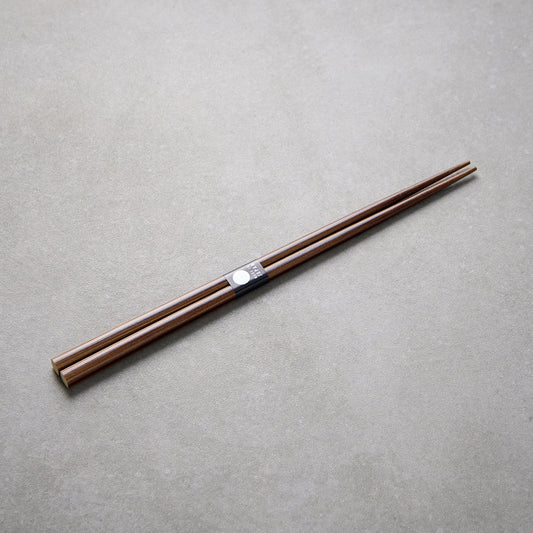
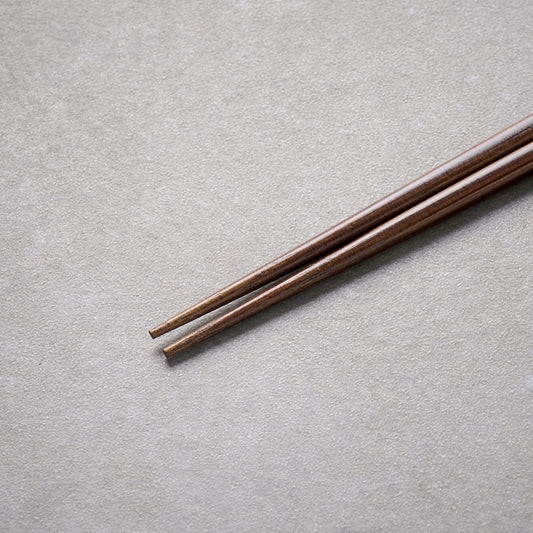
Chopsticks are one of the oldest eating utensils in the world, but Japanese chopsticks, known as hashi (箸), are a category all their own. Unlike the longer, often flat-ended chopsticks used in China, or the metal chopsticks common in Korea, Japanese chopsticks are typically shorter, rounder, and tapered to a fine point at the tip.
This tapered design isn't just an aesthetic choice. It reflects the nature of Japanese cuisine itself, which relies heavily on precision, separating delicate flakes of fish, picking up single grains of rice, or lifting a sliver of pickled vegetable without disturbing the rest of the dish.
Traditionally crafted from wood or bamboo, Japanese chopsticks are often lacquered for durability and finished with hand-painted or engraved designs. Many households in Japan keep a personal set of chopsticks for each family member, sized to fit their hand, a small but meaningful detail that sets Japanese dining culture apart. Whether used for everyday meals or reserved for special occasions, quality chopsticks are considered an extension of the meal itself.
Typical Features
- Tapered, rounded tip for precision handling
- Shorter length compared to Chinese chopsticks
- Often lacquered or finished with natural wood grain

🇯🇵 The History and Evolution of Chopsticks
Chopsticks are believed to have originated in China over 3,000 years ago, initially used as cooking tools to retrieve food from boiling pots rather than as utensils for eating. It wasn't until several centuries later that chopsticks made their way to Japan, arriving alongside Chinese culture, religion, and cuisine around the 6th century.
In their earliest form, Japanese chopsticks were made from a single piece of bamboo, bent in the middle like tweezers, used primarily in religious ceremonies to serve food to the gods. Over time, this design evolved into the two-piece chopsticks we recognise today.
By the 8th century, chopsticks had become common at the Japanese imperial court, and their use gradually spread to the wider population. As Japanese cuisine developed its own identity, favouring delicate, precisely cut ingredients, chopstick design evolved to match, becoming shorter and more finely tapered than their Chinese counterparts. The Edo period (1603–1868) saw chopstick craftsmanship flourish, with regional lacquerware traditions producing chopsticks that were both functional and beautiful, techniques still used by artisans today.
🌏 Regional Craftsmanship: Japan's Chopstick-Making Traditions
Just as Japan's tea and ceramic traditions vary by region, so too does the art of chopstick making. Different areas of Japan have developed their own distinct styles, shaped by local materials, climate, and generations of craftsmanship.
Wakasa (Fukui Prefecture) is considered the birthplace of Japan's lacquered chopstick industry, producing an estimated 80% of Japan's lacquered chopsticks today. Known as Wakasa-nuri, the technique layers lacquer over materials like eggshell, seashell, or pine needles, then polishes the surface to reveal a marbled, jewel-like pattern. Each pair can take dozens of steps and several weeks to complete.
Kyoto (Kyo-hashi) are typically tapered at both ends, one end for eating, the other traditionally reserved for serving, their slender shape mirroring the understated sophistication of Kyoto's culinary and craft traditions.
Edo/Tokyo style favours a simpler, more practical design, reflecting the fast-paced, everyday dining culture of Japan's largest city, often slightly thicker and sturdier, built for daily use rather than ceremonial occasions.
🎍 Different Types of Japanese Chopsticks
Not all Japanese chopsticks are created equal, different types serve different purposes, from everyday dining to cooking and special ceremonies.
| Type | Best For |
|---|---|
| Everyday chopsticks | Daily meals |
| Cooking chopsticks (Saibashi) | Stirring, frying, plating |
| Disposable chopsticks (Waribashi) | Restaurants, takeaway |
| Ceremonial chopsticks (Iwai-bashi) | Special occasions, New Year |
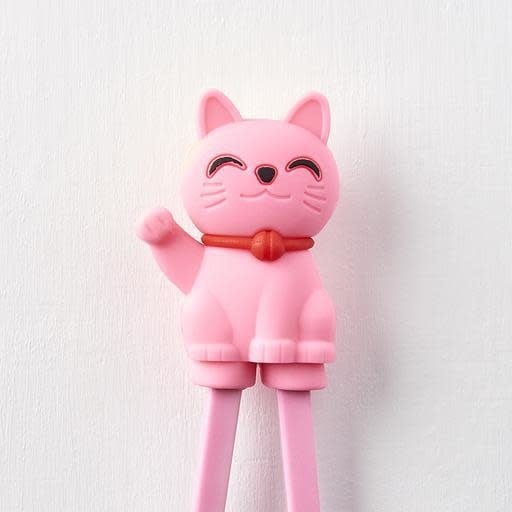
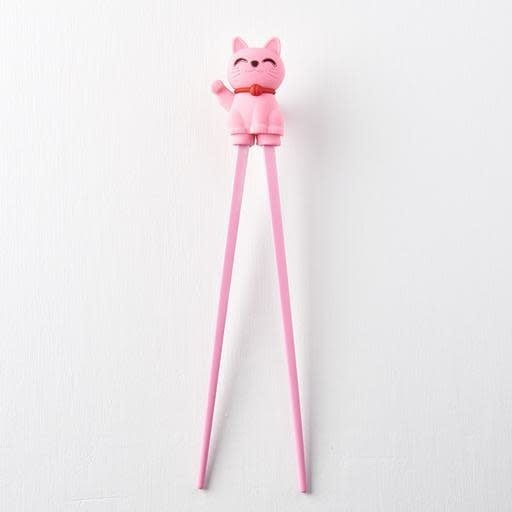
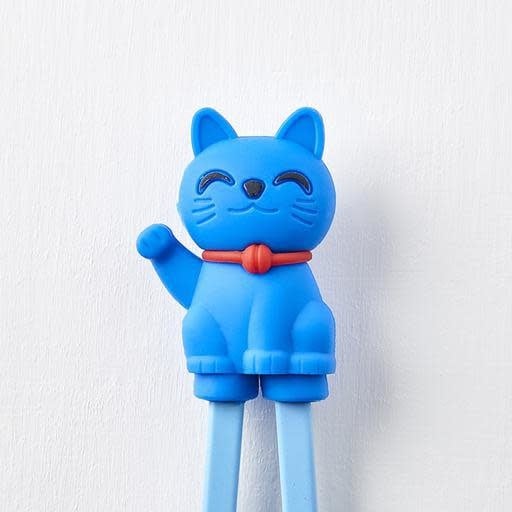
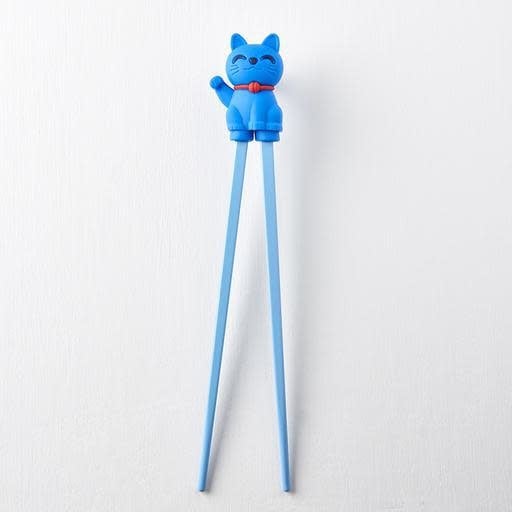
| Children's chopsticks | Beginners |
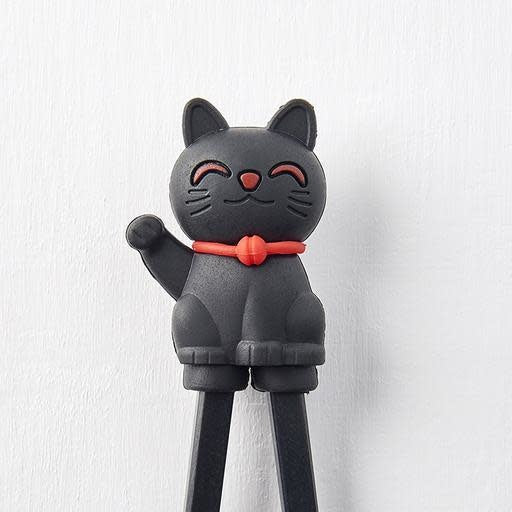
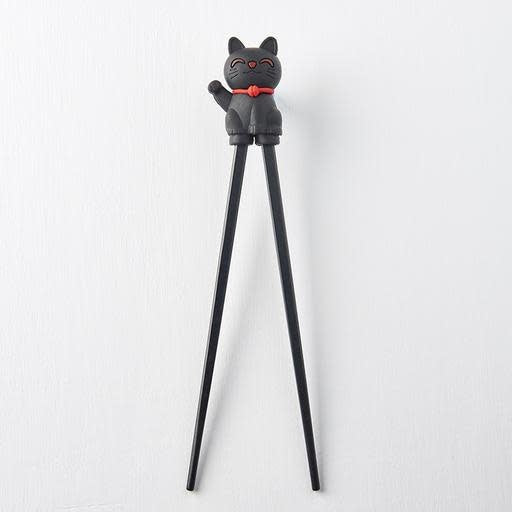
Cooking chopsticks (saibashi) are notably longer than everyday chopsticks, designed to keep hands safely away from heat while stirring, flipping, or plating food, an essential tool in Japanese kitchens, much like tongs in Western cooking. Ceremonial chopsticks are often finished with gold accents or auspicious designs for occasions like New Year, while children's chopsticks are shorter and easier to grip, often in playful colours to help with learning proper technique.
📏 Chopsticks Sizes: Finding the Right Fit
Chopstick size matters more than most people realise. A pair that's too long or too short can make eating feel clumsy, while a properly sized pair feels almost effortless in the hand. In Japan, chopstick length is traditionally matched to hand size, following a simple guideline: ideal length is roughly 1.5 times the width of your hand, measured from thumb tip to little finger tip when spread open.
| Hand Span | Recommended Length |
|---|---|
| Small (children) | 16–18 cm |
| Medium (average adult female) | 21–22.5 cm |
| Large (average adult male) | 23–24 cm |
| Extra Large | 25 cm+ |
Cooking chopsticks are the exception to this rule, intentionally made longer, often 30 cm or more, to keep hands safely away from heat while cooking. Choosing the right size isn't just about comfort, it also affects control and precision, particularly when handling smaller or more delicate foods.
🪵 Materials: Wooden, Bamboo & Lacquered Chopsticks
The material a pair of chopsticks is made from affects everything from grip and weight to durability and price. While chopsticks can be crafted from metal, plastic, or historically even ivory, Japanese chopsticks are most commonly made from wood, bamboo, or lacquered wood.
| Material | Best For |
|---|---|
| Plain wood | Natural grip, everyday affordability |
| Bamboo | Lightweight use, cooking, antibacterial properties |
| Lacquered wood | Durability, elegance, gifting |
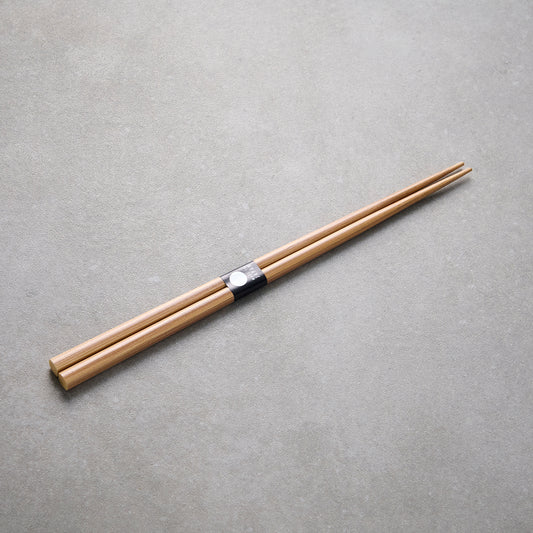
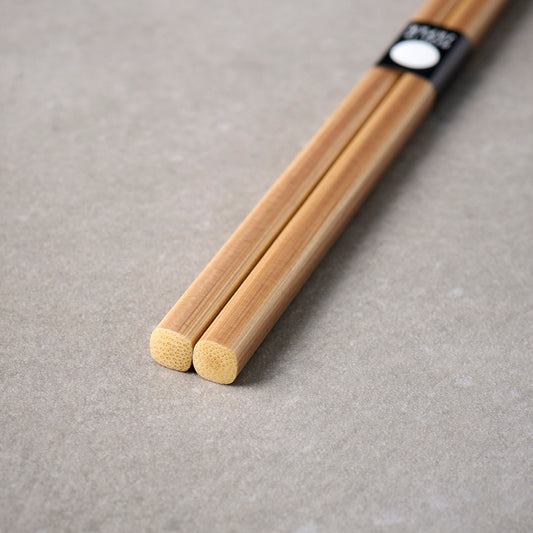
Wooden chopsticks (chestnut, cherry, cypress) are prized for their natural grip and lightweight feel, each wood offering a slightly different texture and durability. Bamboo chopsticks are lightweight, affordable, and naturally antibacterial, with a slightly rougher texture that provides excellent grip for both dining and cooking. Lacquered chopsticks add a protective, water-resistant layer while allowing decorative finishes, from the marbled patterns of Wakasa-nuri to hand-painted motifs, making them more durable and easier to clean than untreated wood.

✋ How to Hold Chopsticks Correctly
Holding chopsticks correctly takes a little practice, but once mastered, it becomes second nature. The key lies in finger position rather than grip strength.
Step 1: Position the bottom chopstick. Rest it in the crook of your hand, between thumb and index finger, letting it sit gently on your ring finger. This chopstick stays still throughout, it acts as the anchor.
Step 2: Add the top chopstick. Hold it like a pencil, between the tips of your thumb, index finger, and middle finger. This is the only chopstick that moves.
Step 3: Practice the motion. Keep the bottom chopstick steady and use your index and middle fingers to raise and lower the top one. The tips should meet evenly when closed.
Step 4: Pick up food. Open the tips slightly, position them around your food, then close gently to grip. Practice with larger, easier items like tofu or steamed vegetables before moving to smaller foods like rice or noodles.
Common mistakes: moving both chopsticks instead of just the top one, crossing them into an X shape, gripping too tightly, or holding too close to the tip. With regular practice, the motion becomes natural within a few days.
🍽️ Chopstick Etiquette in Japan
Chopstick etiquette is taken seriously in Japan, as many customs are rooted in respect, for the food and for the people you're dining with.
Avoid vertical chopsticks in rice. Never stand chopsticks upright in a bowl of rice, this gesture closely resembles a funeral ritual.
Don't pass food chopstick to chopstick. This is linked to a funeral custom where cremated bones are passed between family members. Place food on a shared plate instead.
Avoid pointing or waving chopsticks. Using them to gesture, point at people, or hover indecisively over dishes (mayoi-bashi) is considered impolite.
Don't stab your food. Piercing food rather than picking it up properly is seen as poor table manners.
Rest chopsticks when not in use. Place them on a chopstick rest between bites rather than across your bowl, a small habit that's both practical and polite.
🛋️ What Is a Chopstick Rest (Hashioki)?
A chopstick rest, or hashioki, is a small stand designed to hold the tips of your chopsticks off the table between bites. Though modest in size, it plays an important role in both hygiene and etiquette.
Traditionally, hashioki come in a wide variety of shapes and materials, ceramic, glass, wood, and even metal, often designed as miniature works of art. Common motifs include seasonal themes such as cherry blossoms in spring, fish and waves for summer, autumn leaves, or plum blossoms in winter.
Beyond decorative appeal, chopstick rests serve a practical purpose: keeping the eating end off the table, where it may not be clean, while also protecting tablecloths from stains. Using one is considered proper etiquette in more formal Japanese dining, and it's an easy, elegant detail to bring into everyday meals at home.

⭐ How to Choose the Perfect Chopsticks
With so many styles, sizes, and materials available, choosing the right chopsticks comes down to a few key considerations.
Consider how you'll use them. For everyday meals, a lacquered wooden or bamboo pair offers the best balance of comfort and durability. Home cooks should add a set of longer cooking chopsticks (saibashi) to their kitchen tools.
Think about the occasion. Everyday chopsticks should prioritise practicality, while ceremonial or gift-giving sets are chosen for craftsmanship, lacquered finishes or regional styles like Wakasa-nuri make particularly meaningful gifts.
Don't forget the chopstick rest. A matching hashioki completes the set, adding both function and authentic Japanese dining culture to your table.
🧼 Chopstick Care & Storage
Proper care extends the life of your chopsticks, particularly for lacquered or wooden sets.
Washing. Hand-wash with mild soap and warm water. Avoid soaking for long periods, as excess moisture can cause warping.
Drying. Dry thoroughly with a cloth immediately after washing rather than air-drying, which can cause wood to swell or crack.
Avoid the dishwasher. Prolonged heat and moisture can damage lacquer and wood finishes. Bamboo tolerates it slightly better, but hand washing is still recommended.
Storage. Keep chopsticks in a dry, ventilated place away from direct sunlight, which can fade lacquered finishes. A holder or box keeps sets organised and protected. With proper care, a quality pair can last for years, developing a subtle patina that only adds to its character.
❓ Chopsticks FAQs
What size chopsticks should I buy?
Roughly 1.5 times the width of your hand. Most adults do well with 21–24 cm, children typically 16–18 cm.
What's the difference between Japanese and Chinese chopsticks?
Japanese chopsticks are generally shorter and tapered to a fine point, while Chinese chopsticks tend to be longer with blunter, flatter tips.
Are wooden chopsticks better than plastic ones?
Wooden and lacquered chopsticks offer better grip and a more authentic experience, while also being more environmentally friendly than disposable plastic.
What are cooking chopsticks used for?
Cooking chopsticks (saibashi) are longer, used for stirring, flipping, and plating while cooking, keeping hands safely away from heat.
Why do Japanese chopsticks come to a point?
The tapered tip allows greater precision when handling delicate foods like rice, fish, and vegetables.
What is a chopstick rest used for?
A hashioki holds chopstick tips off the table between bites, keeping them clean and adding a decorative touch.
Can chopsticks go in the dishwasher?
Wooden and lacquered chopsticks should be hand washed to avoid warping. Bamboo is generally more tolerant, but hand washing is still recommended for longevity.
Explore our collections and find the perfect pair to suit your style: